

Photo © Flavio Palasciano
Photo © Christian Kain for Lothringer 13 Halle
Exhibitions:
Machinic Metabolism
18.9 – 31.12.2025
Lothringer 13 Halle
Lothringer Str. 13
81667 München
Germany
Withe the kind support:
Bundesministerium Wohnen, Kunst, Kultur, Medien und Sport
BMWKMS – IV (Kunst und Kultur)
Abteilung IV/A/6 – Bildende Kunst, Design, Mode,
Foto und Medienkunst
Noise Festival
Fotogalerie
Palais Festetics
Berggasse 16, 1090 Vienna
12-15 September
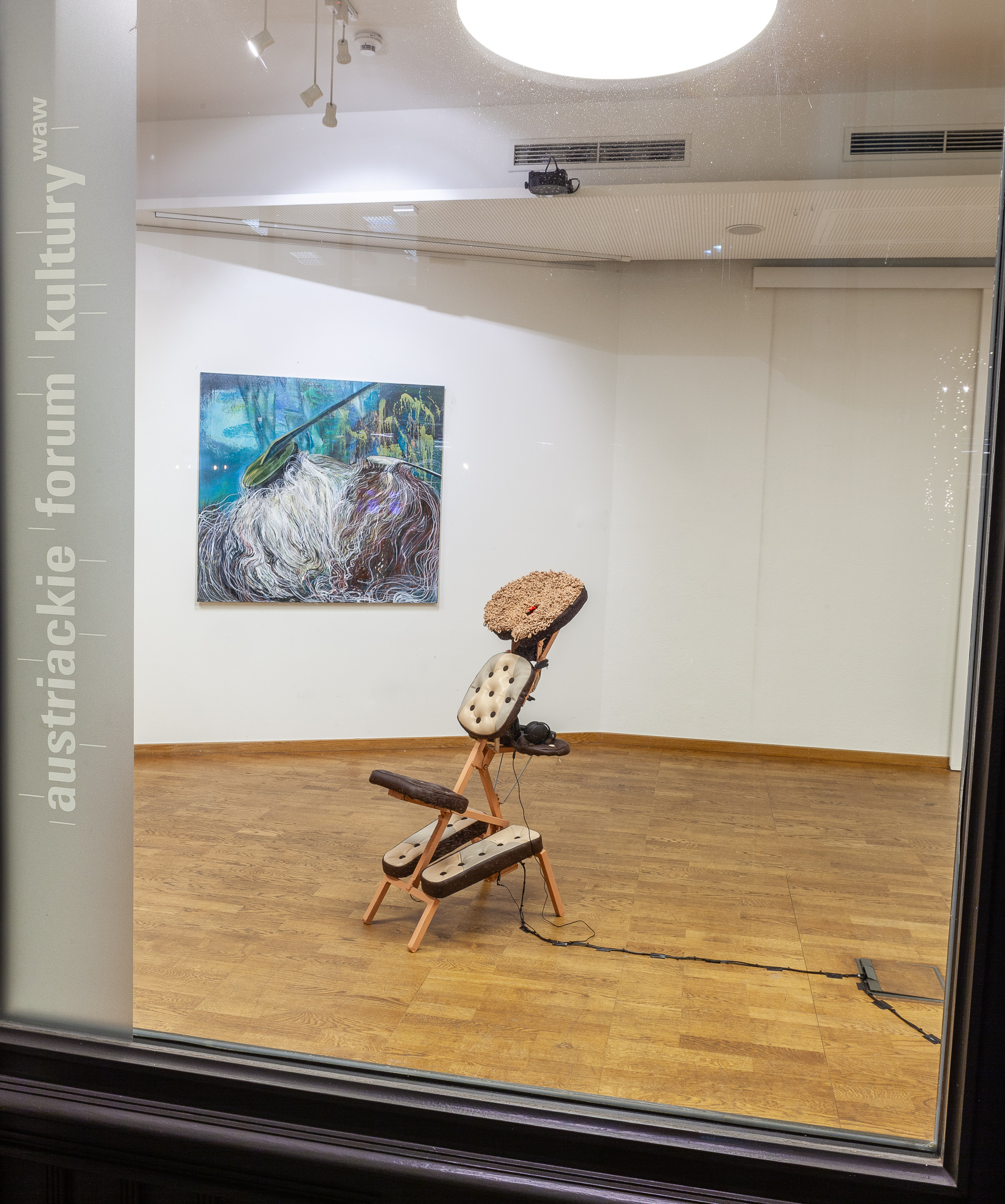
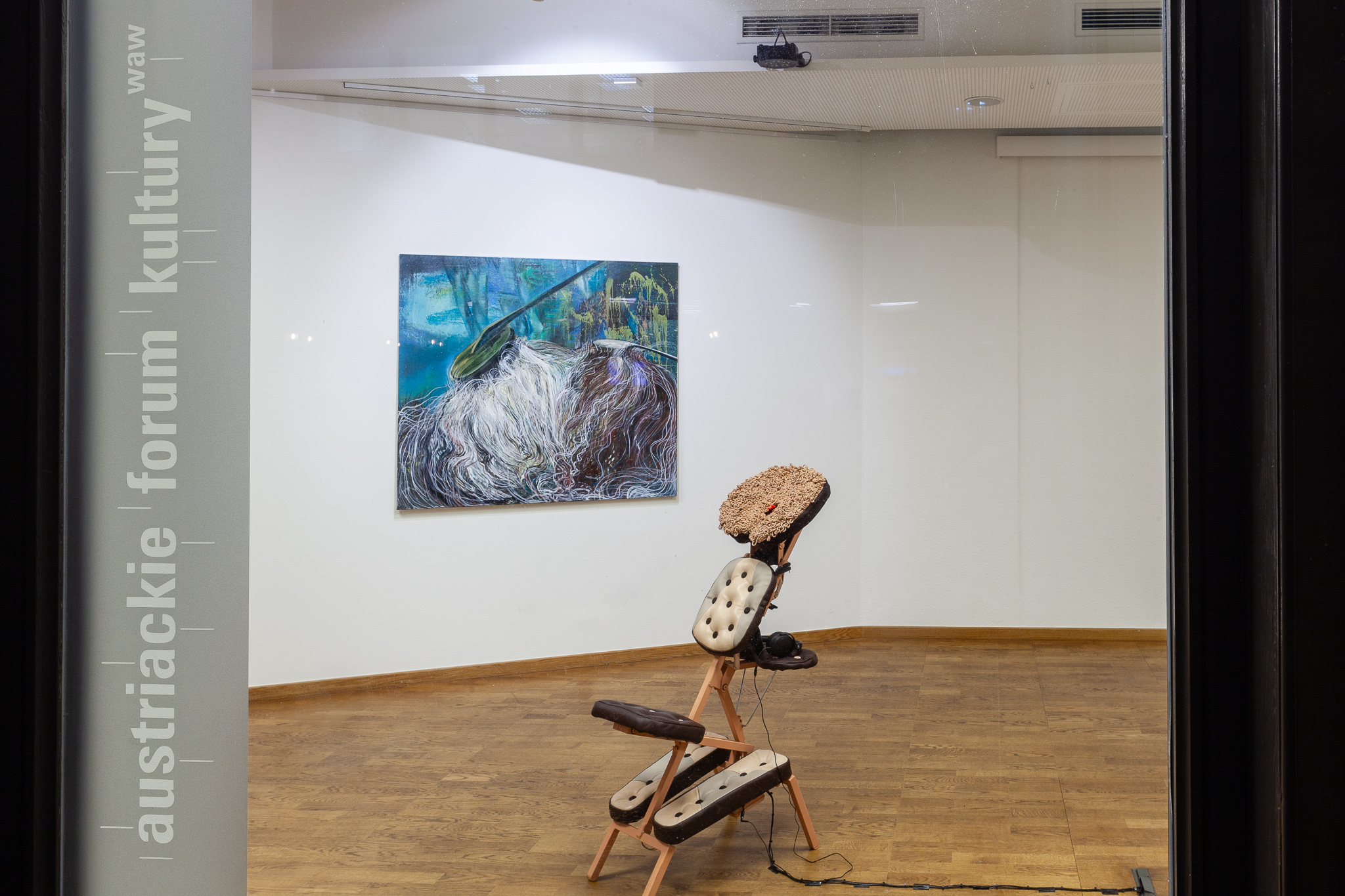
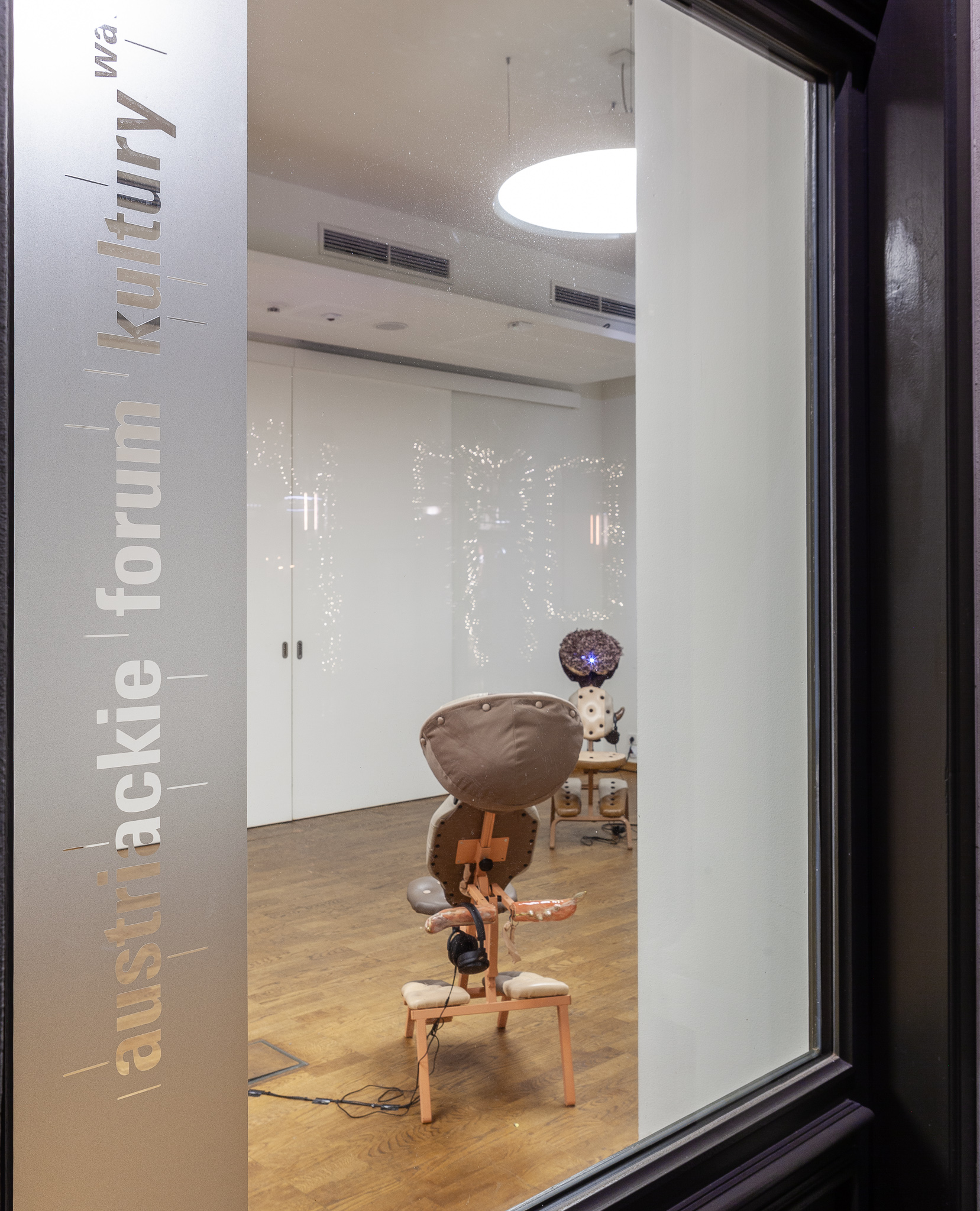
„Love’s Modern Nature”
Austriackie Forum Kultury
Warschau, Poland
15.01 – 16.02.2024
Photo ©Frederik Gruyaert
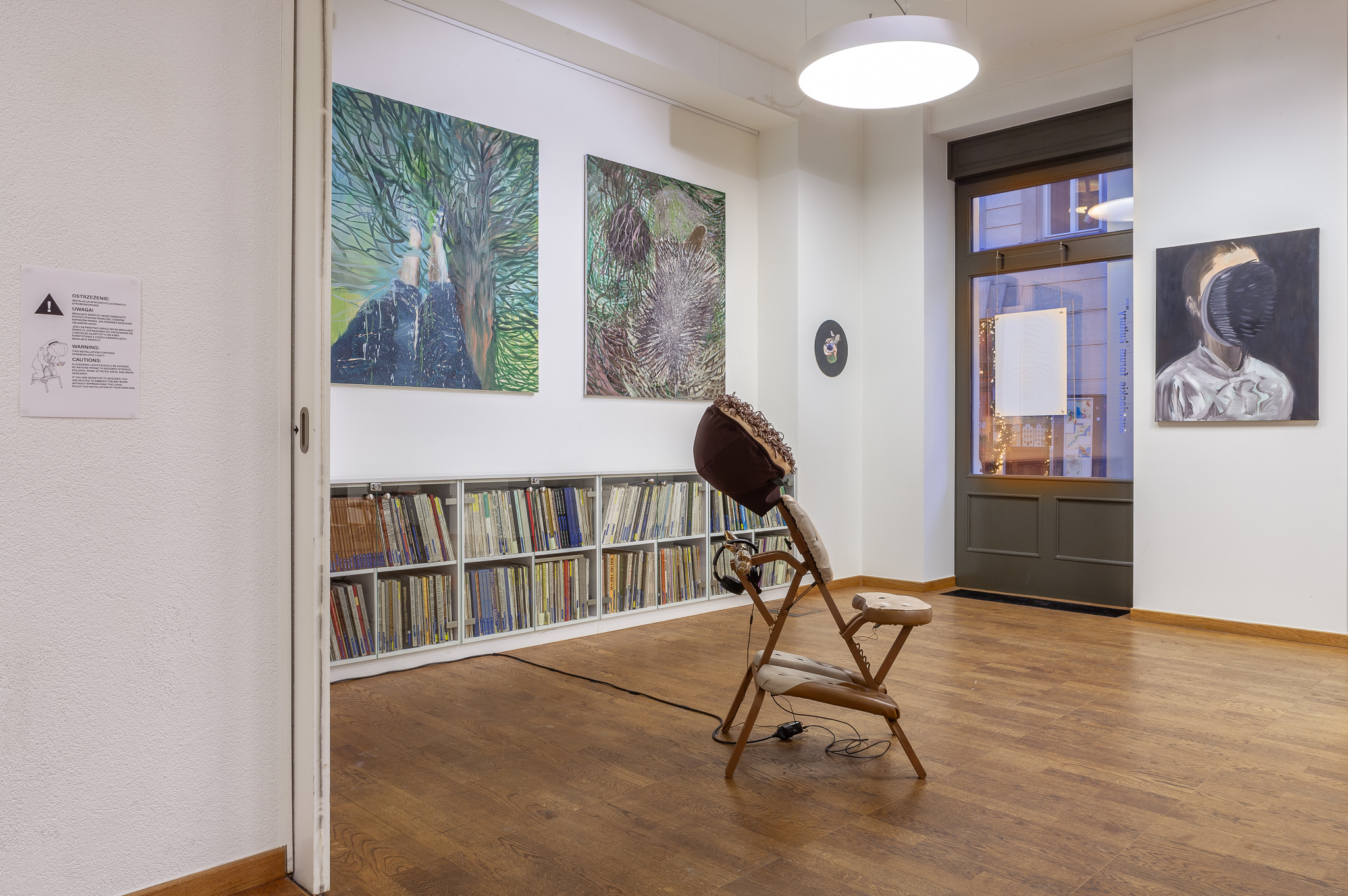
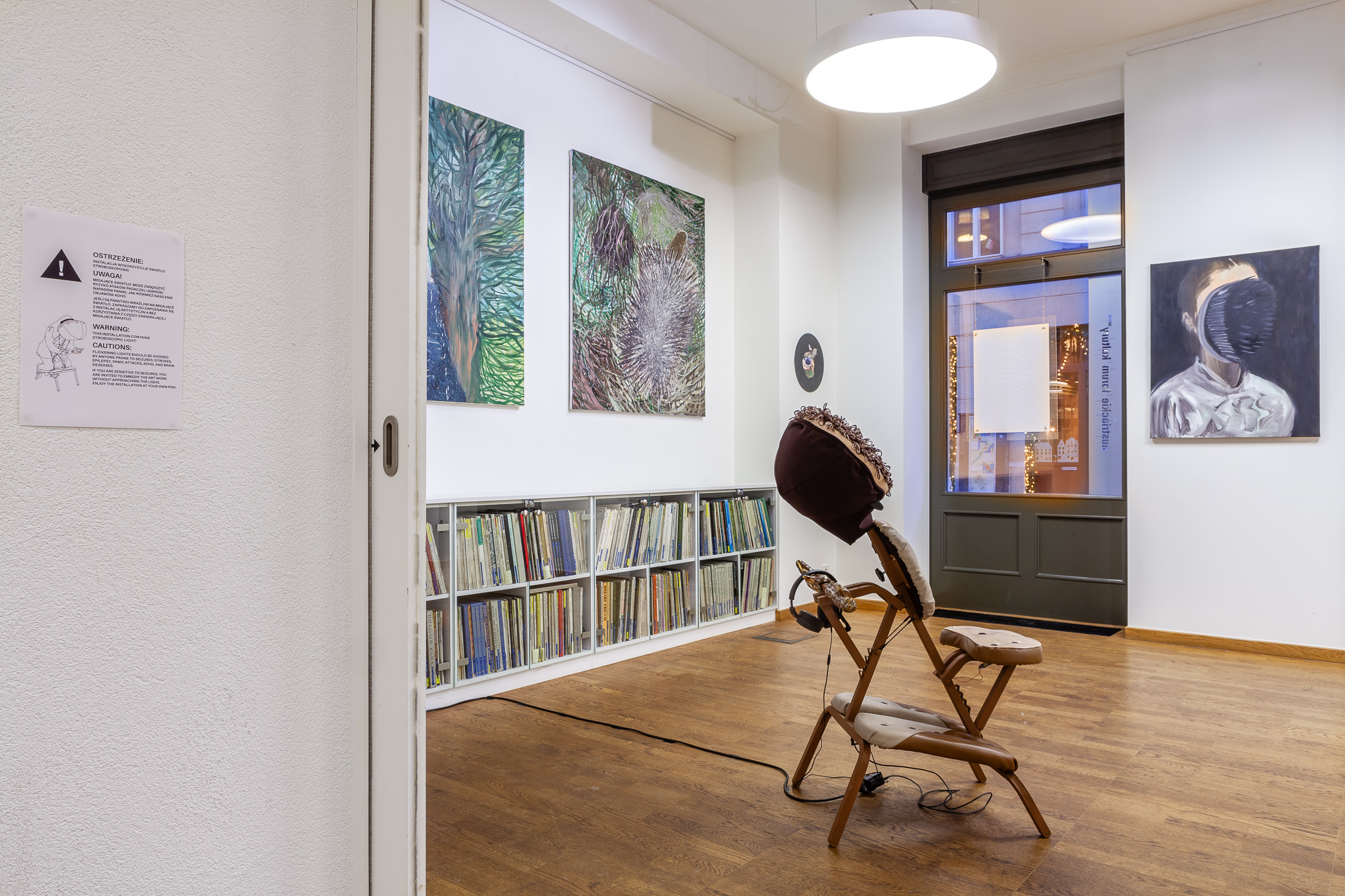
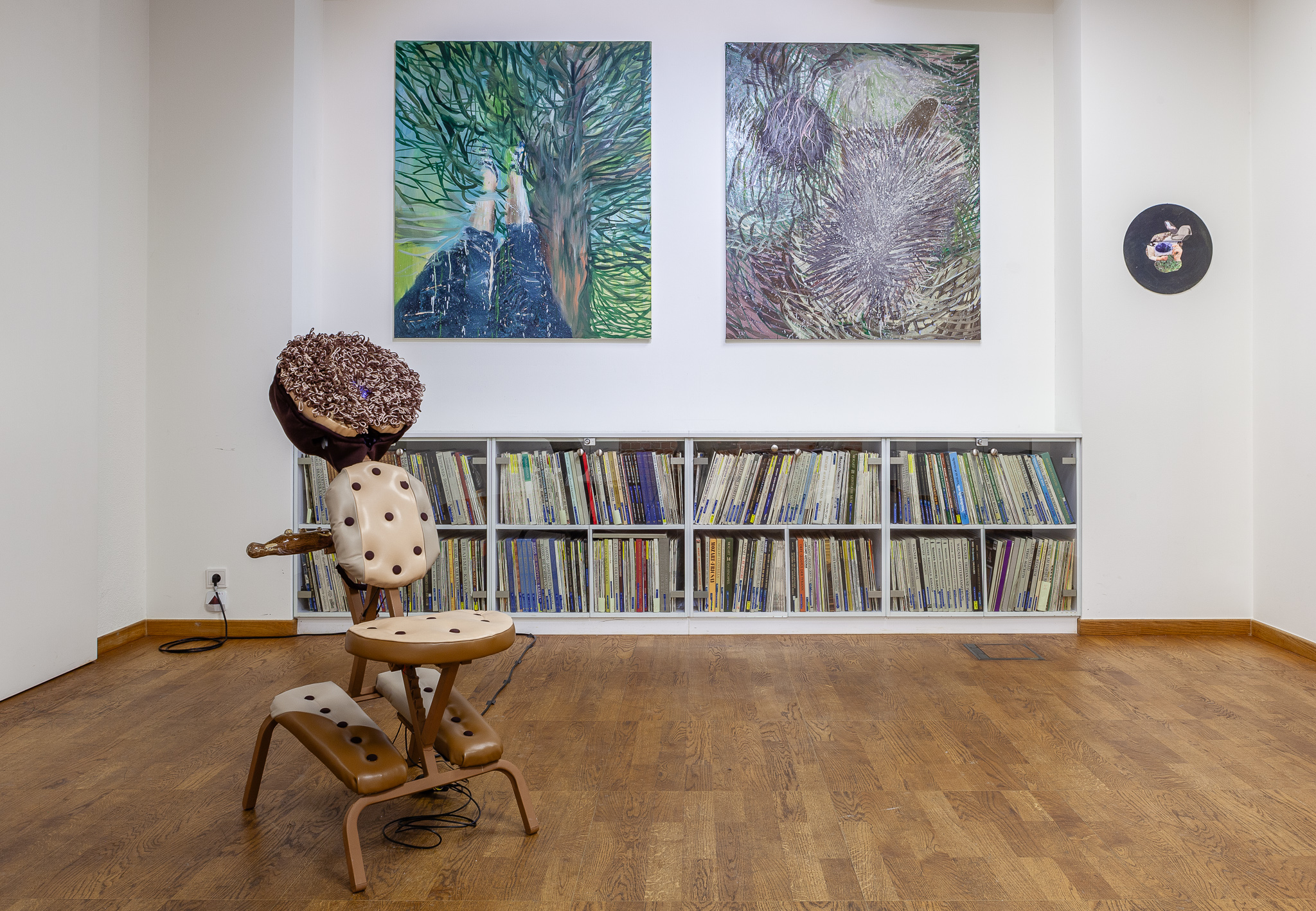
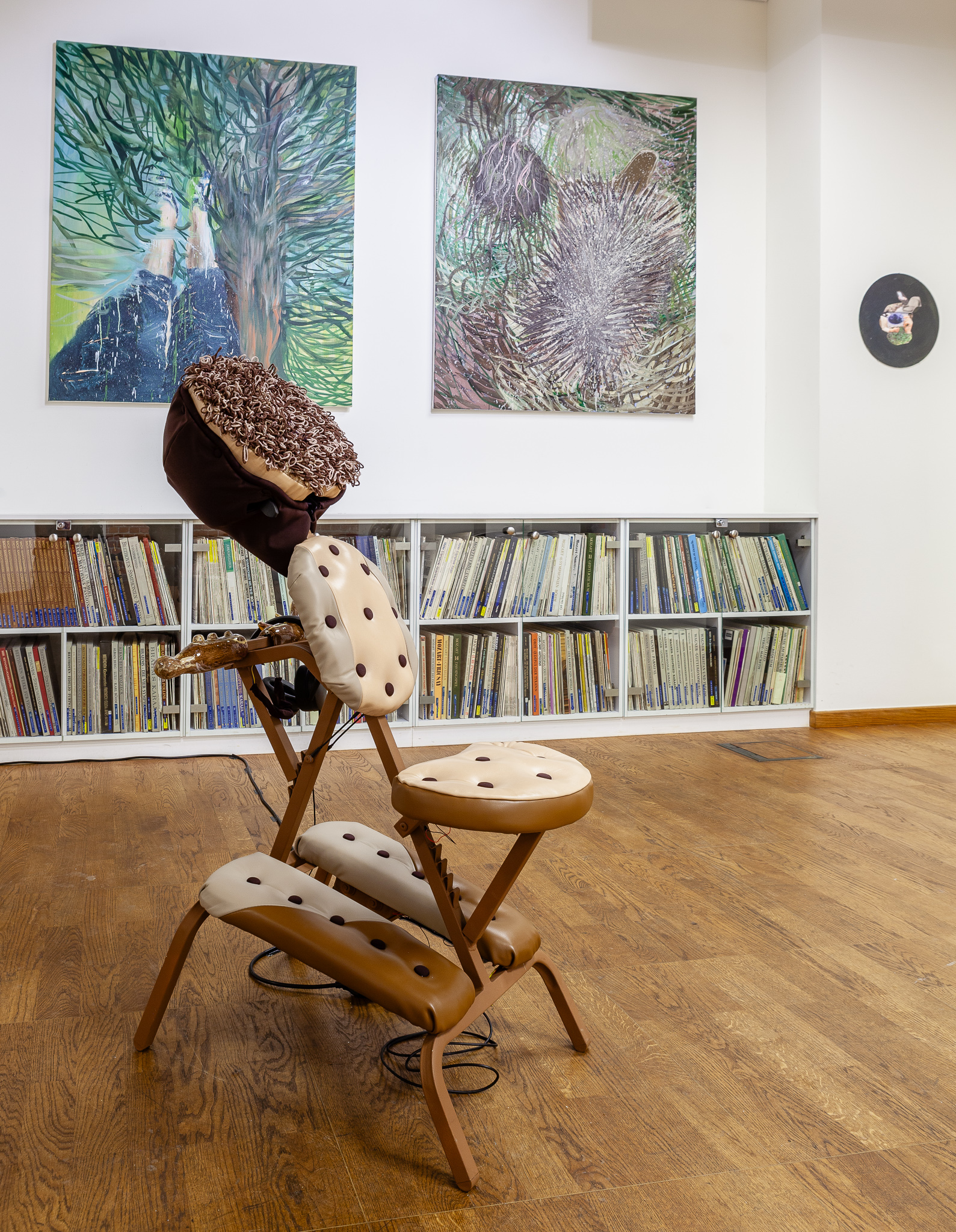
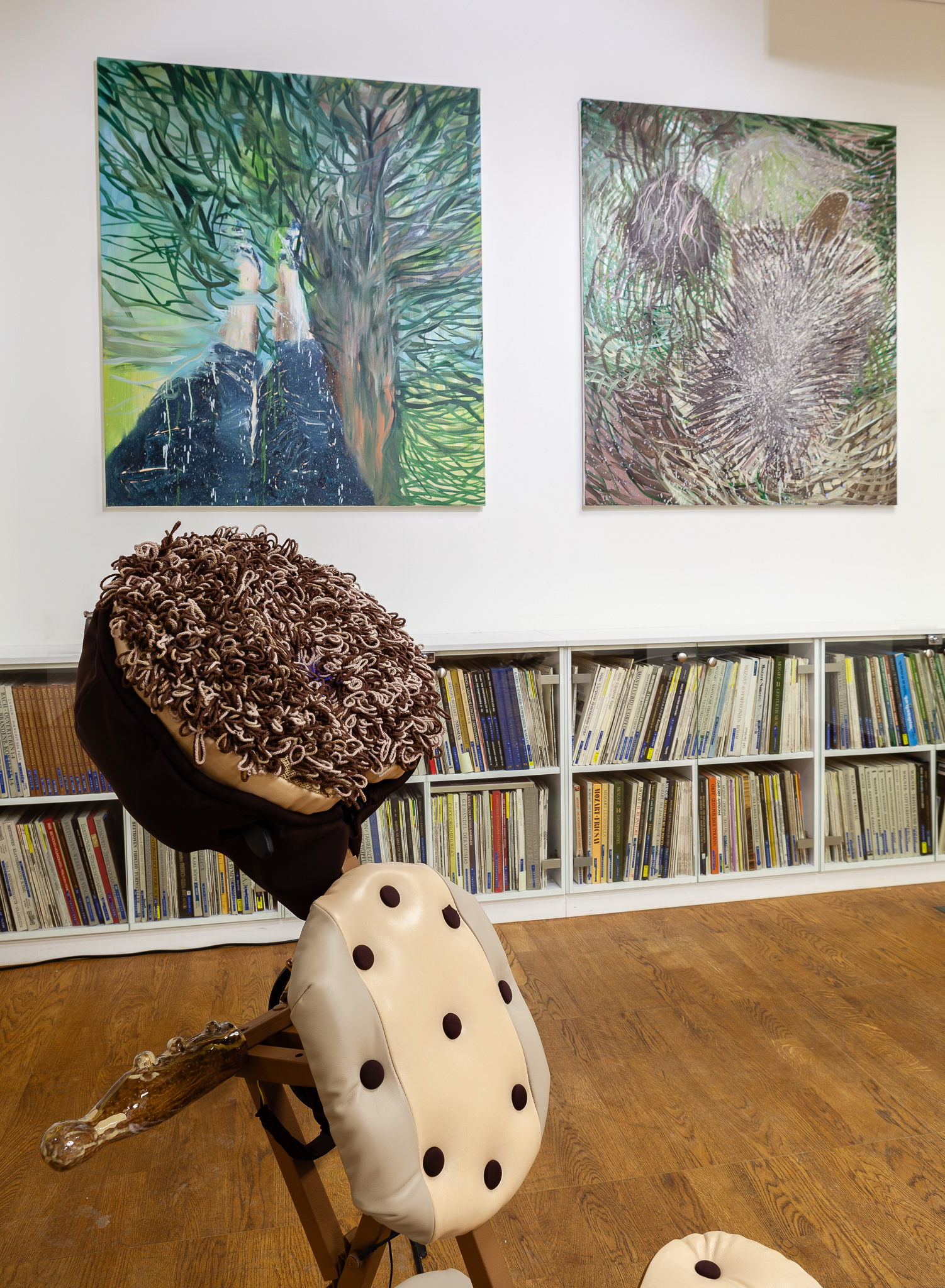
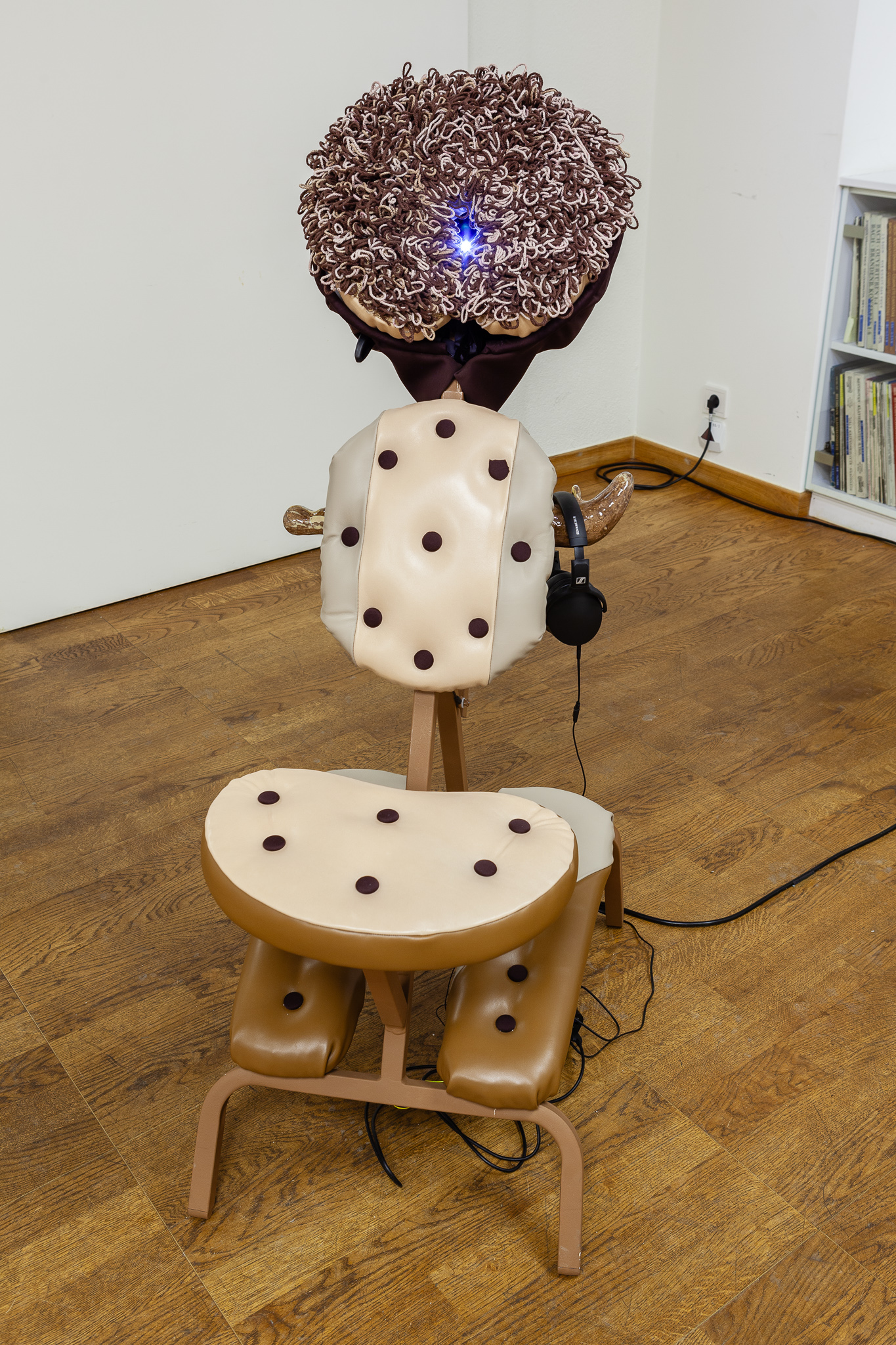
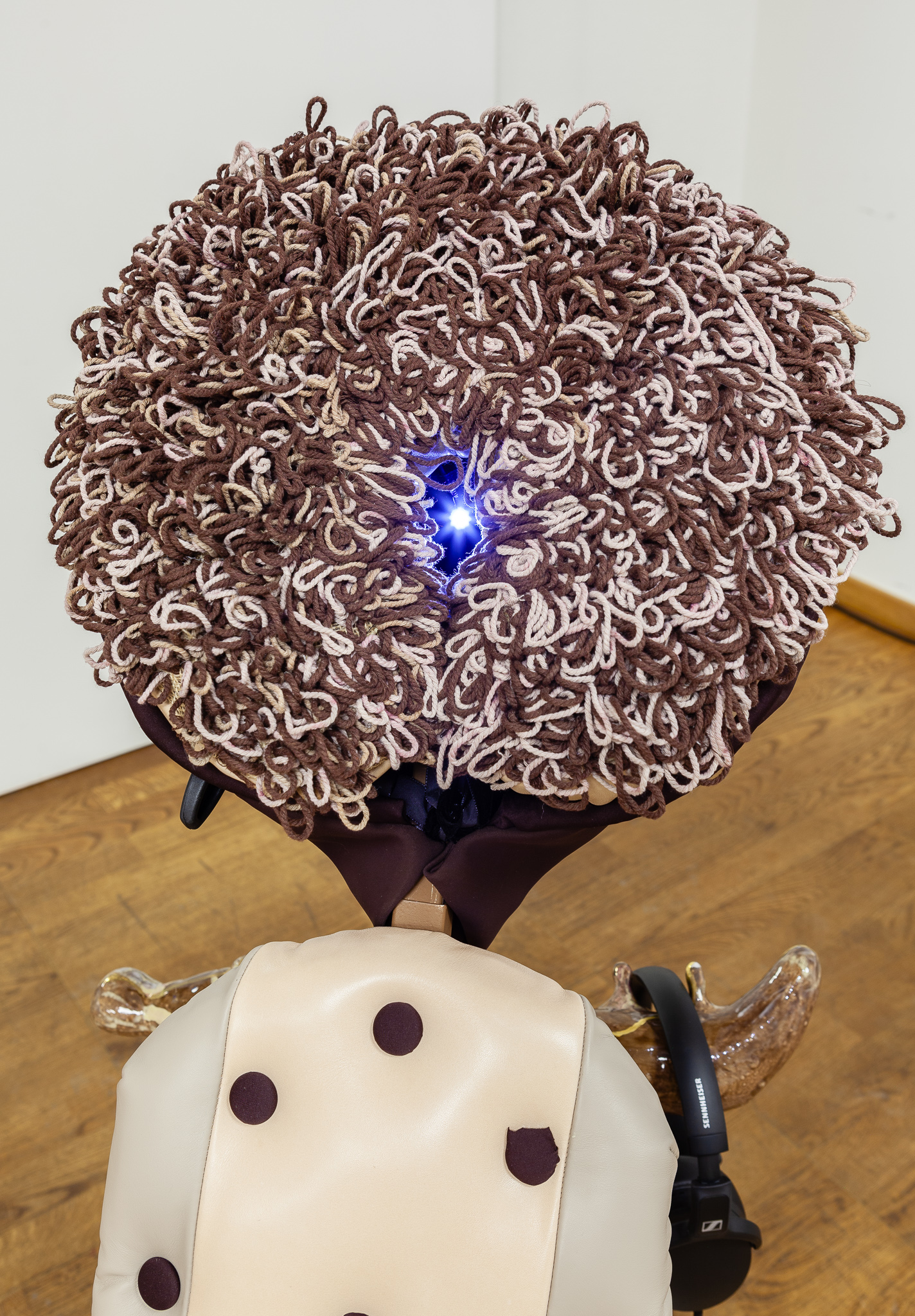
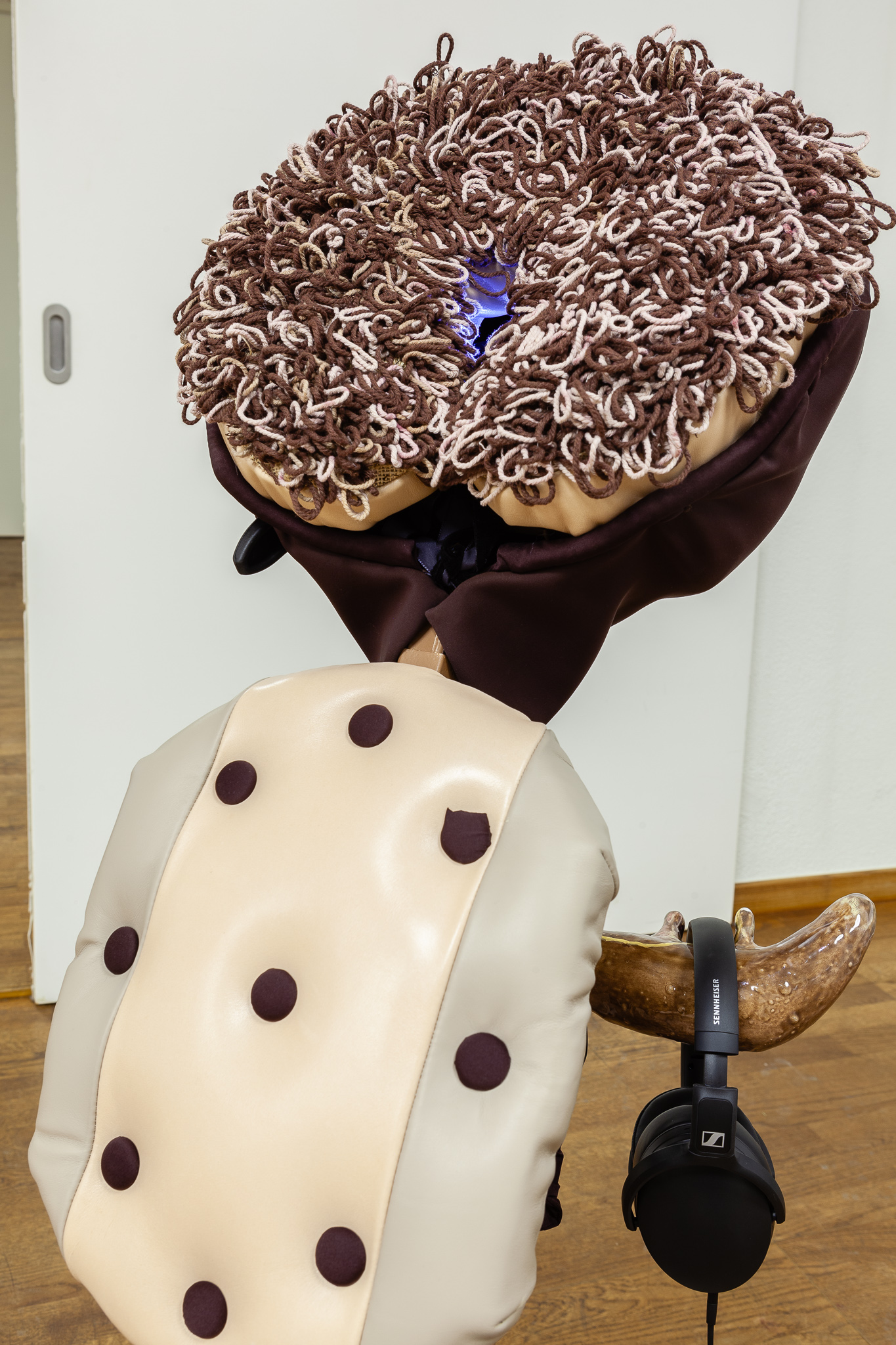
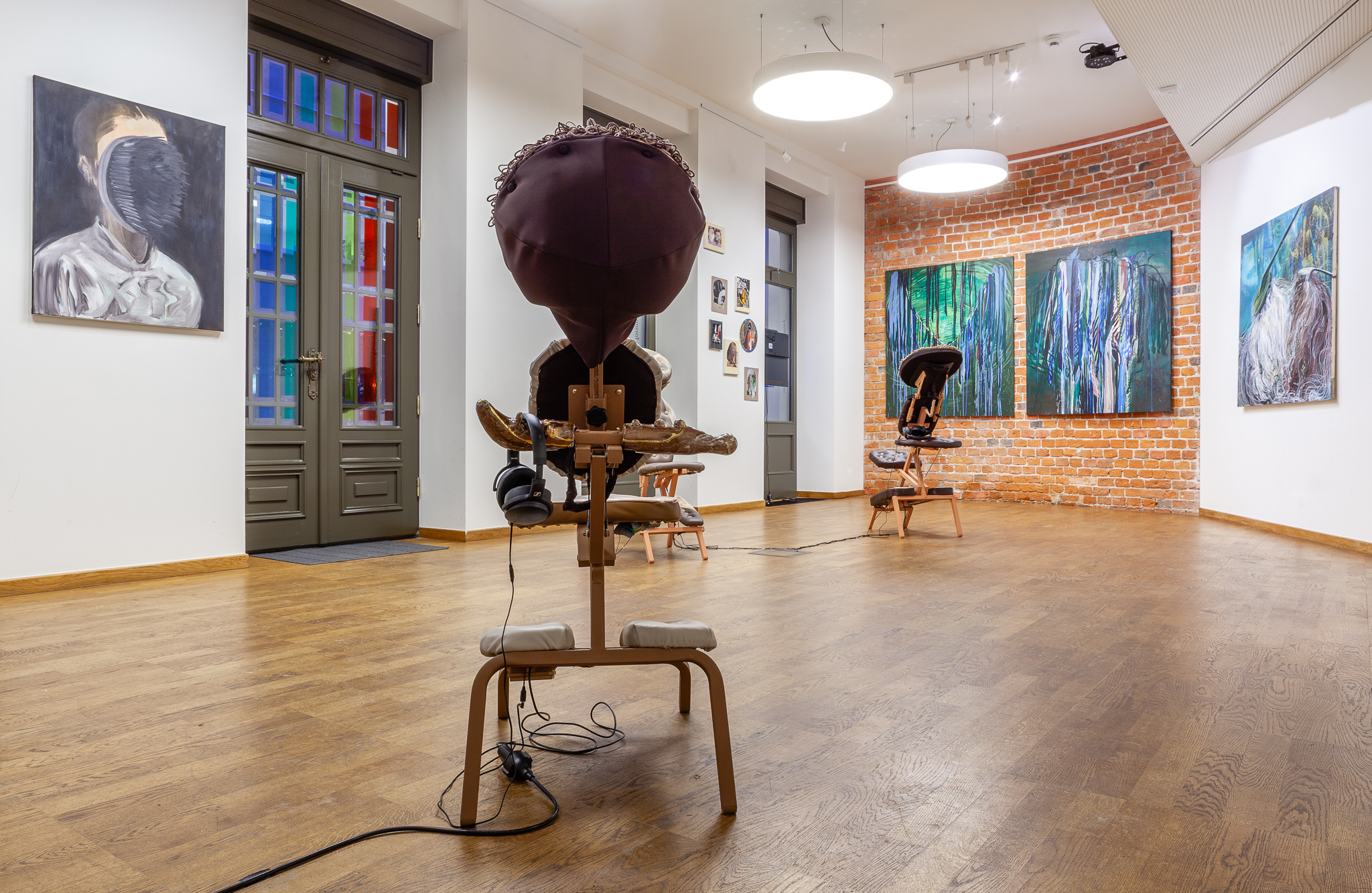
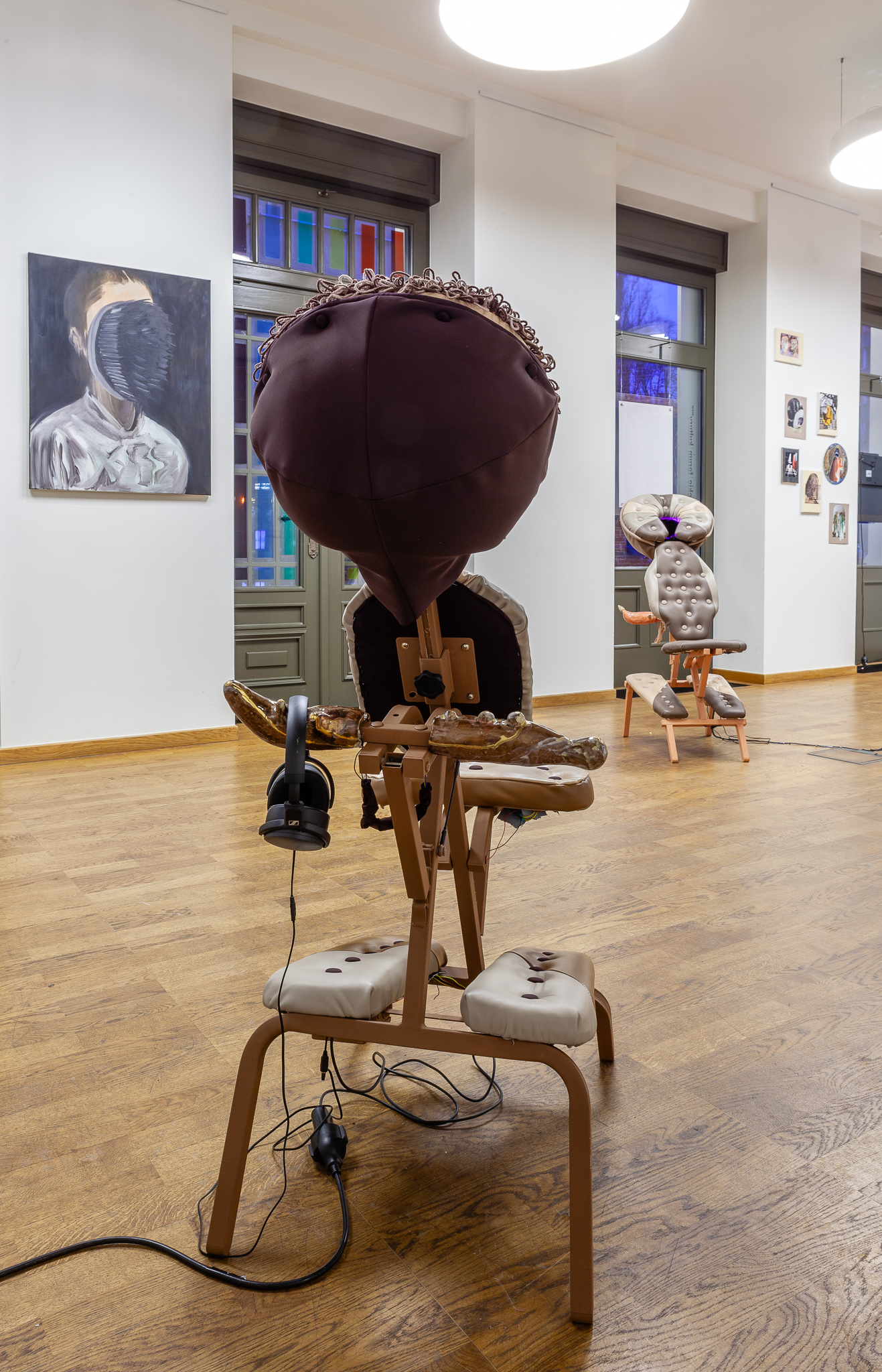
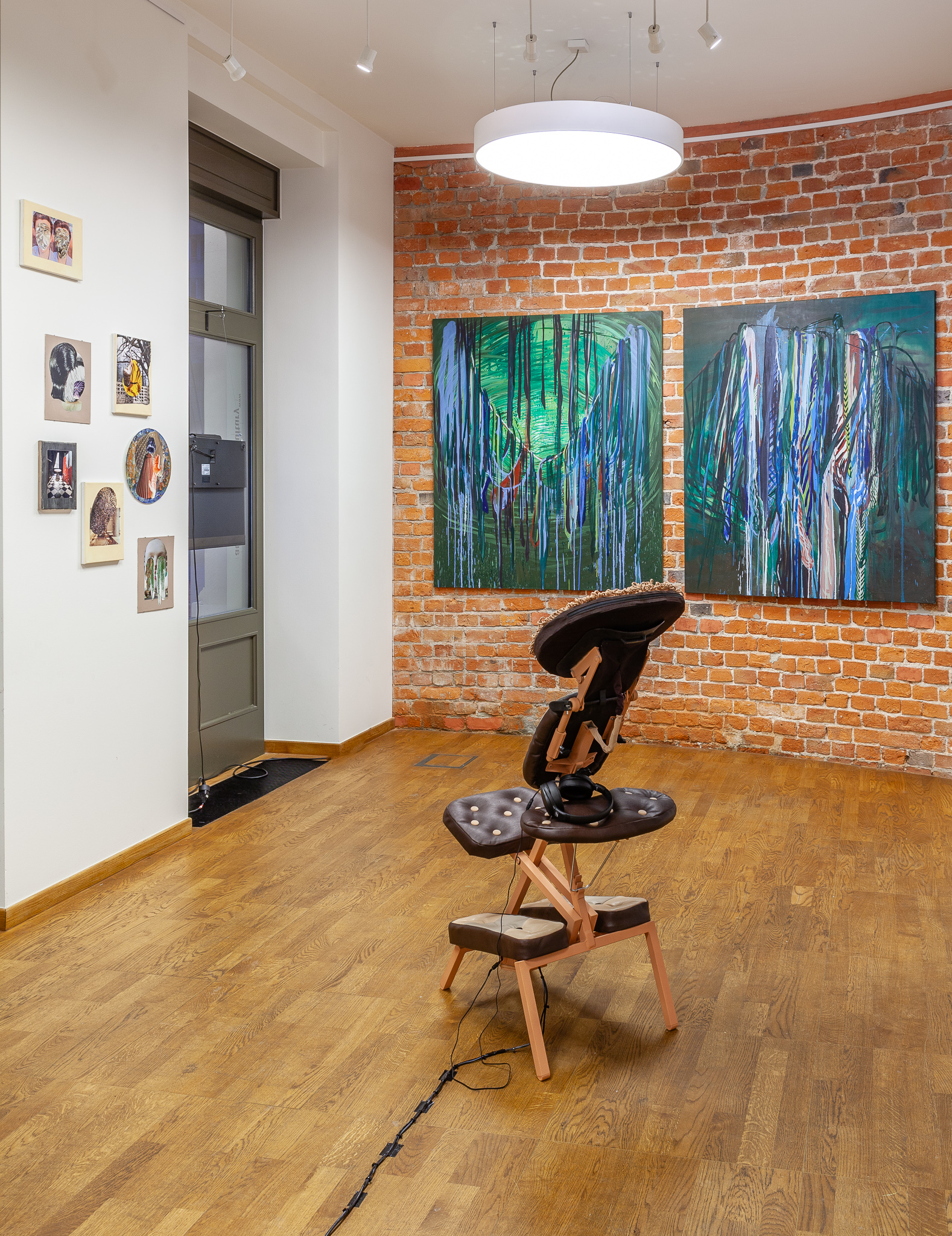
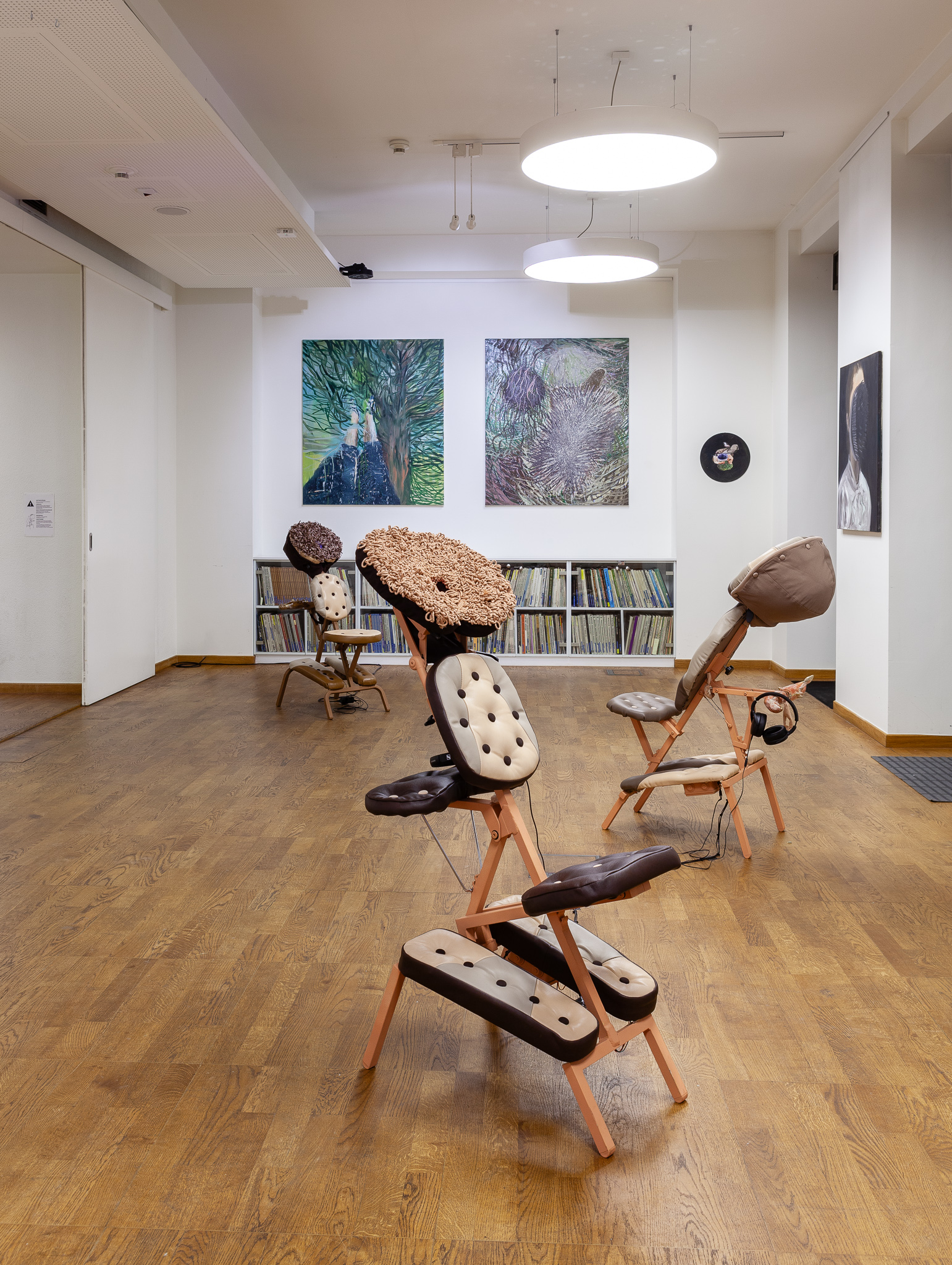
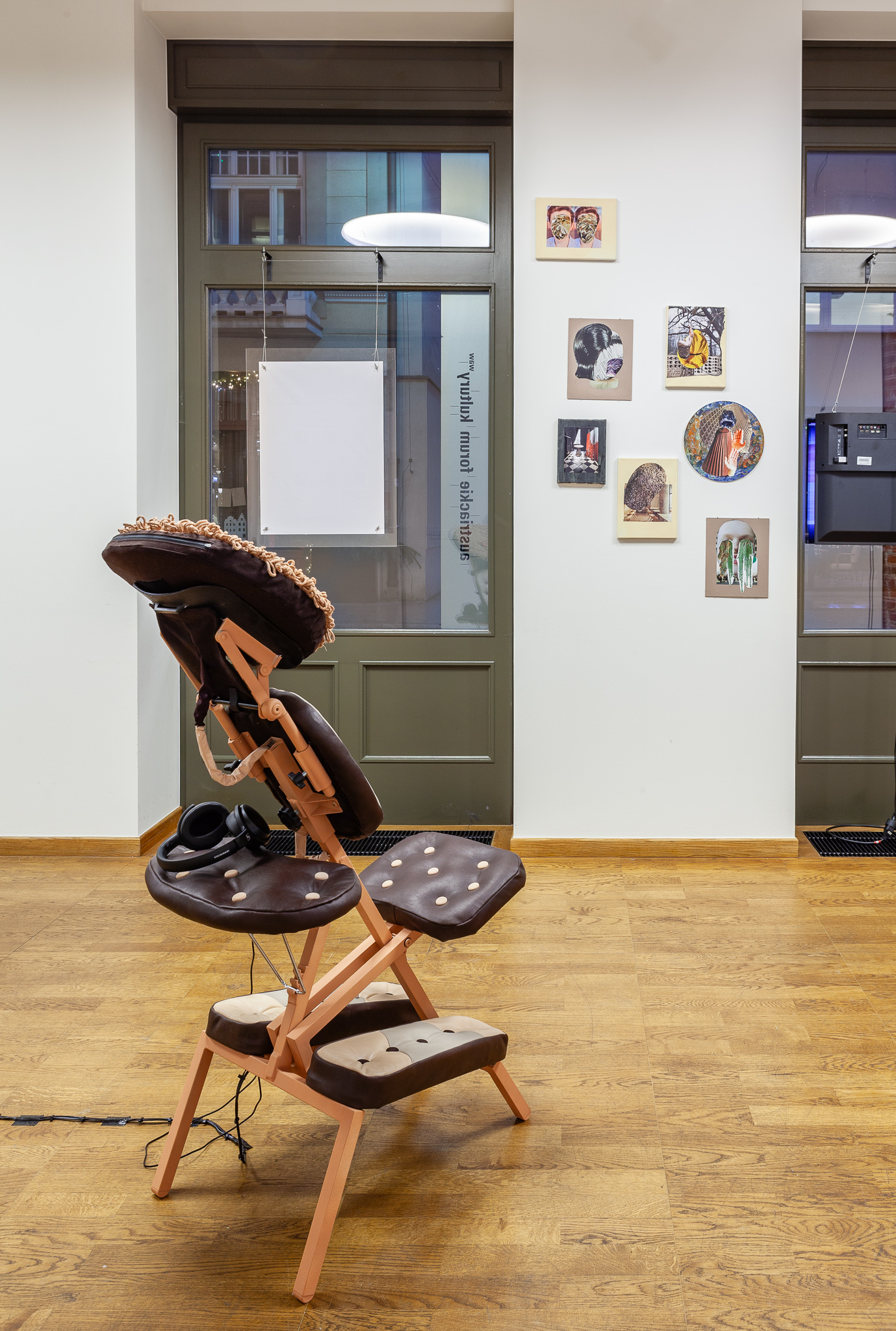
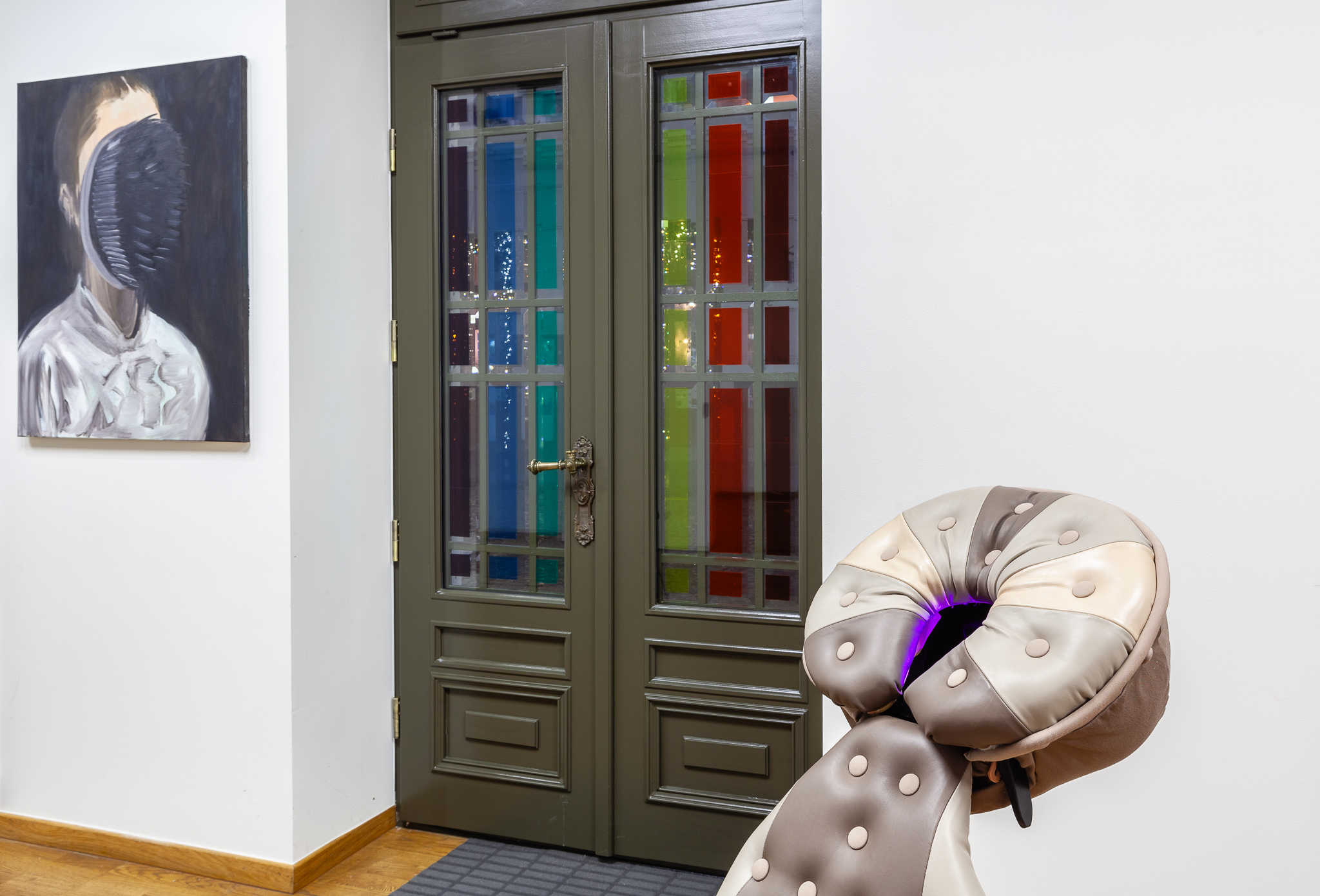
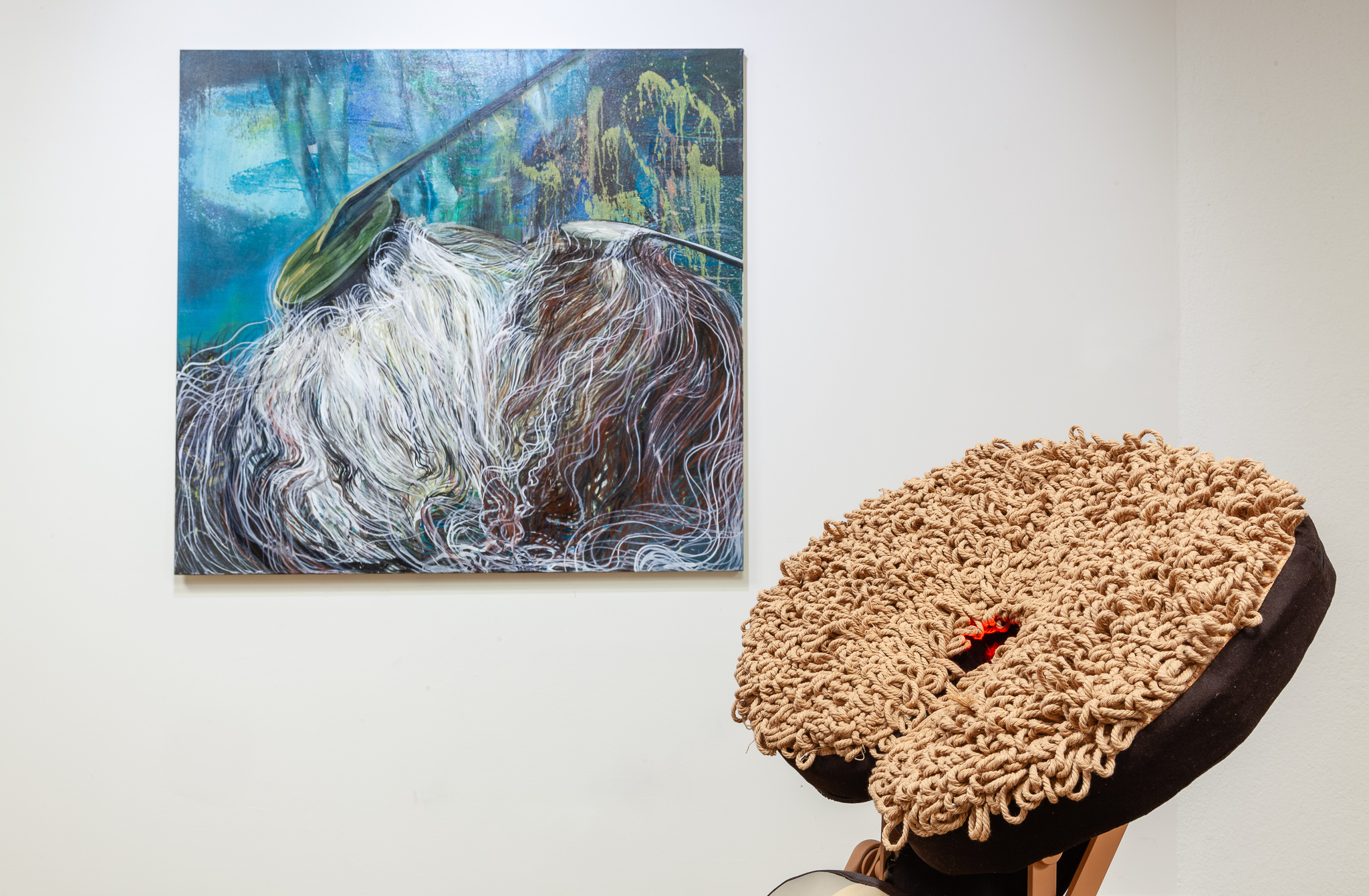
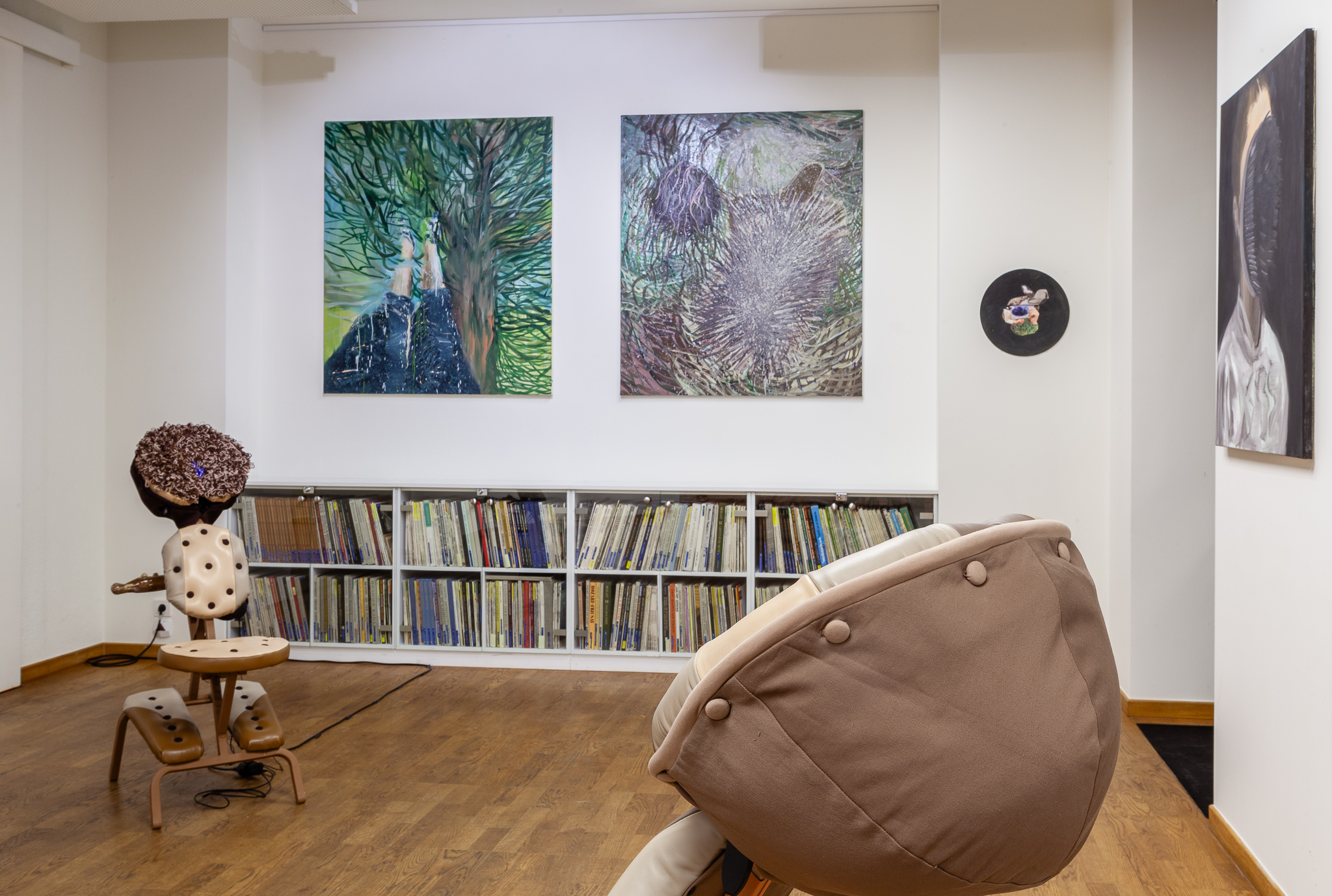
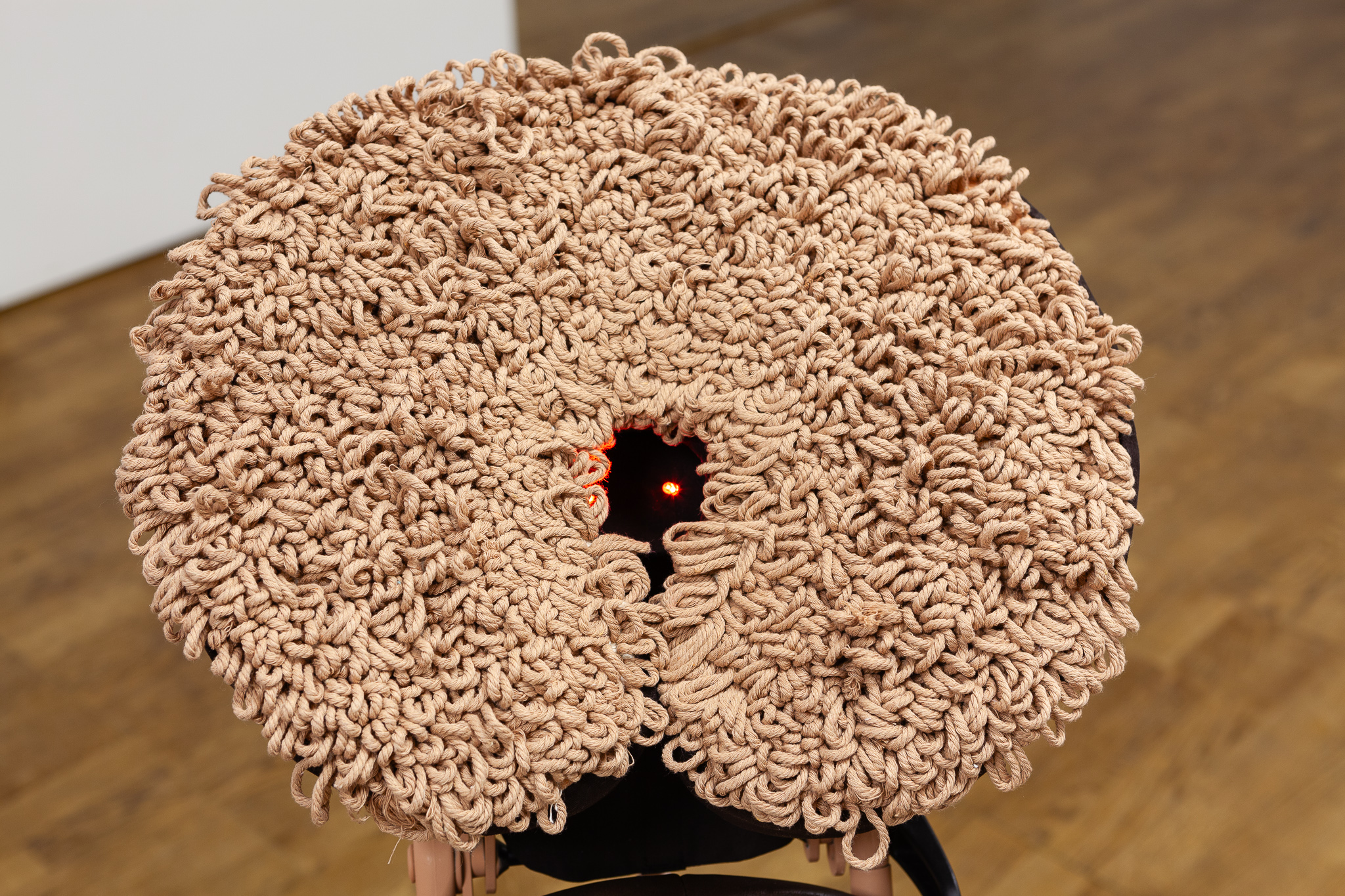
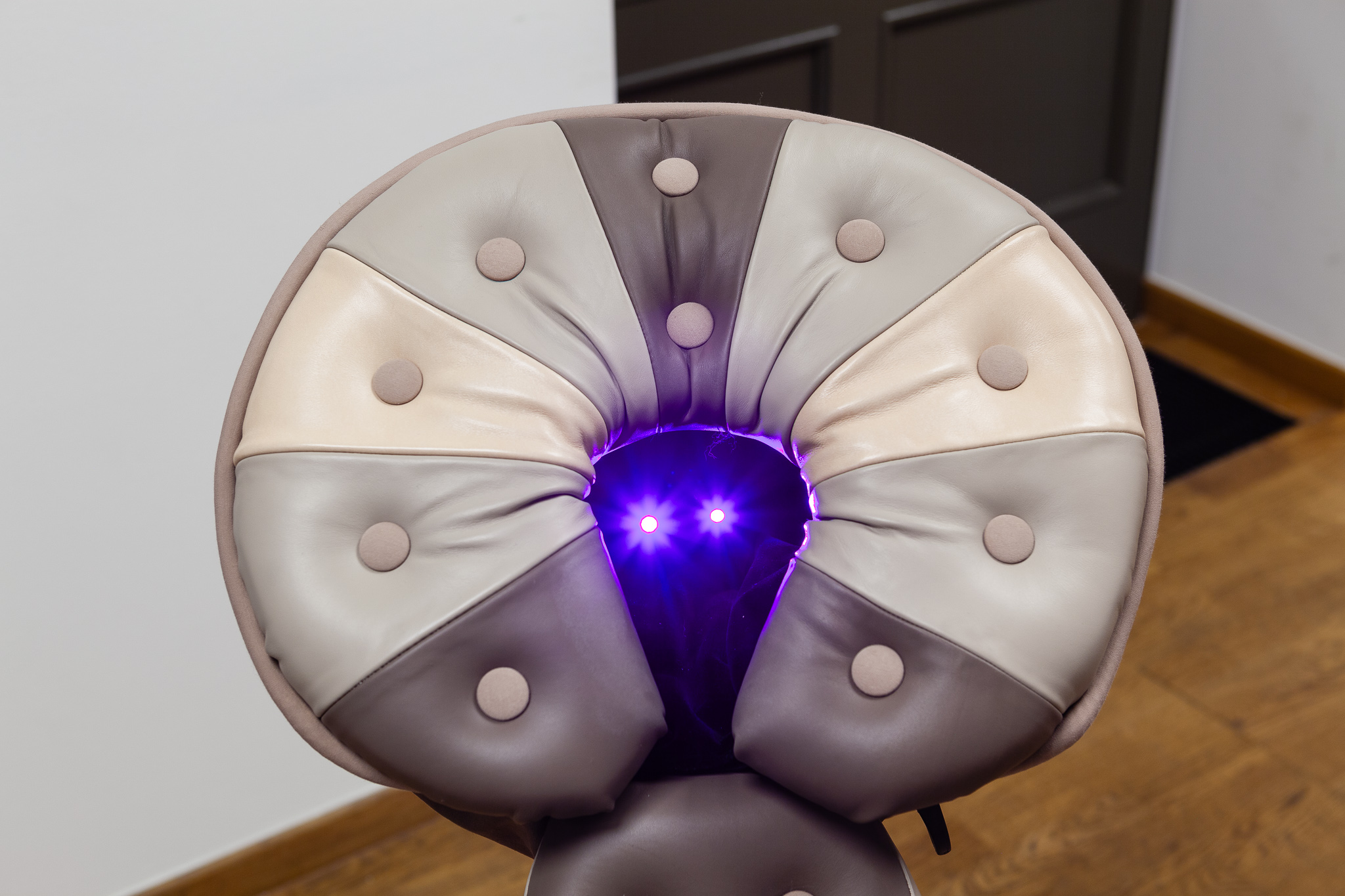
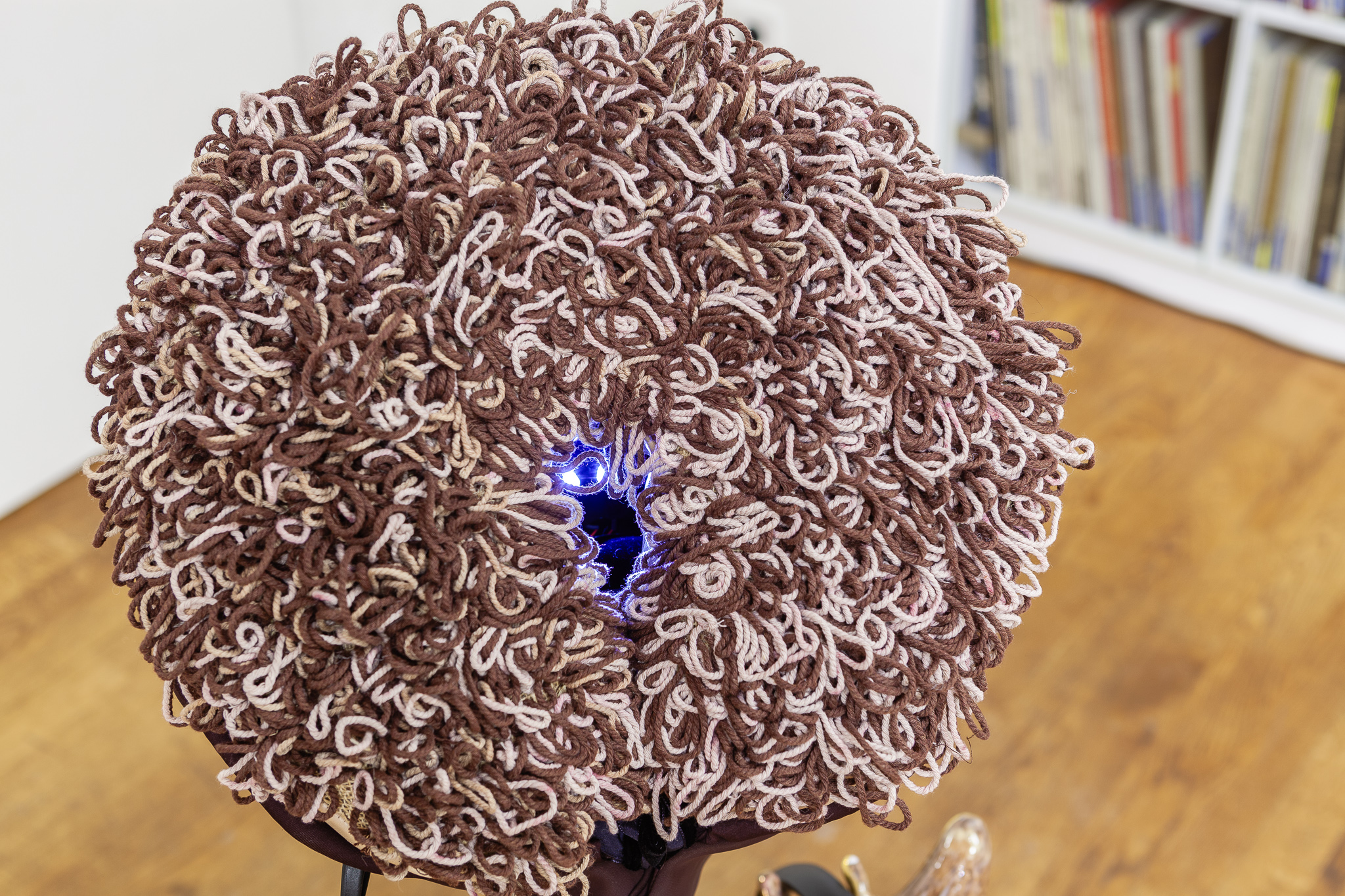
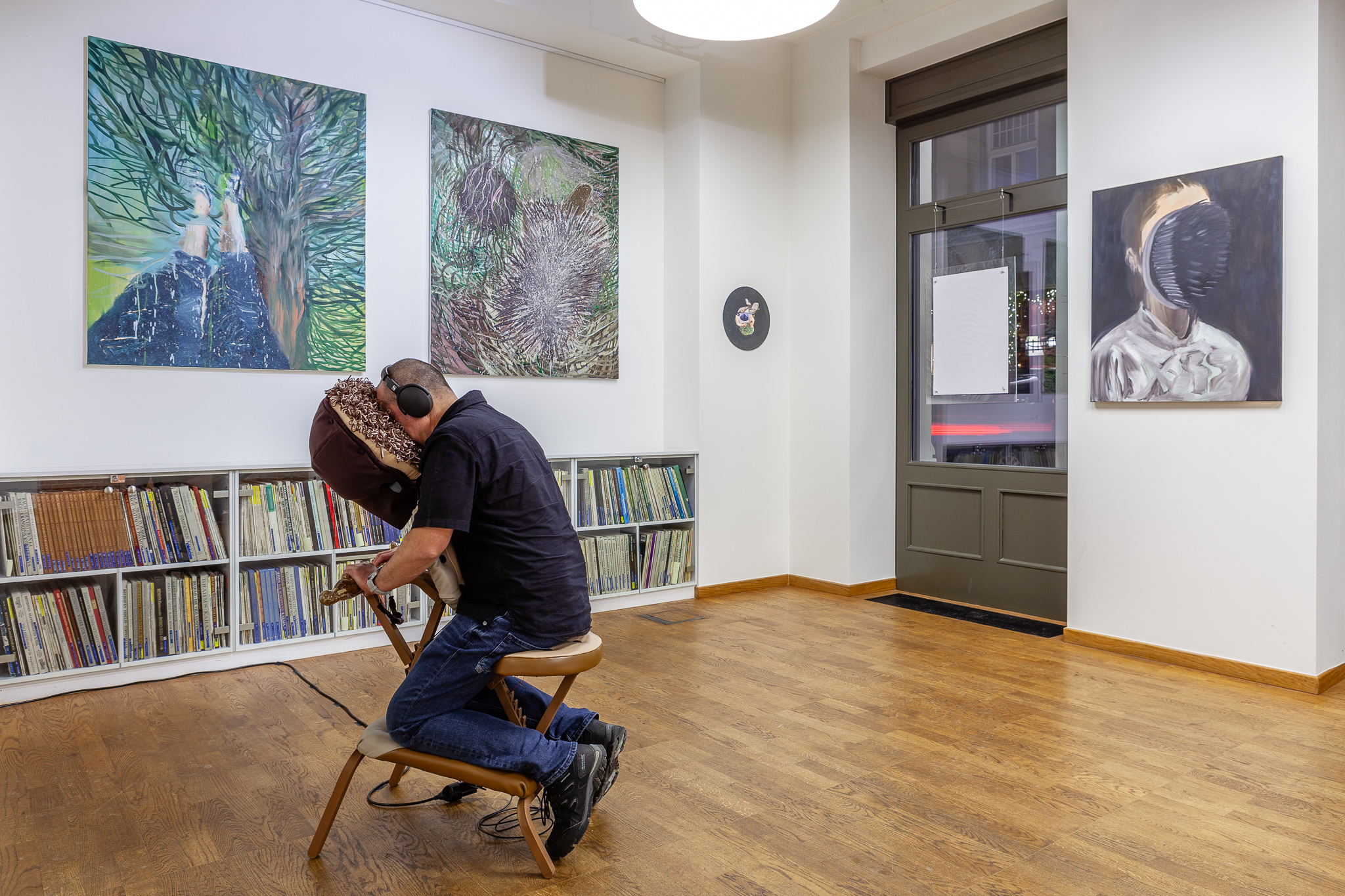
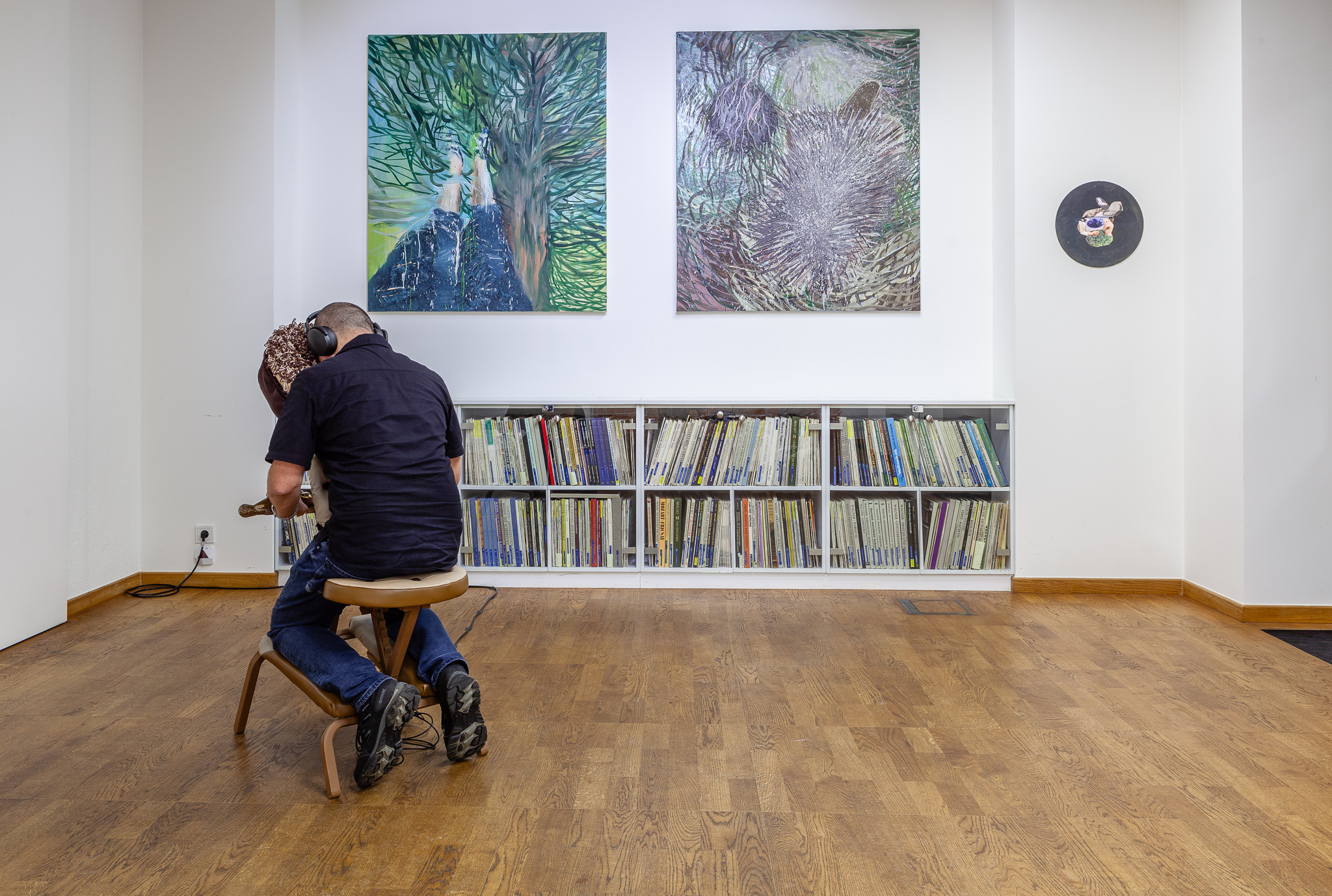
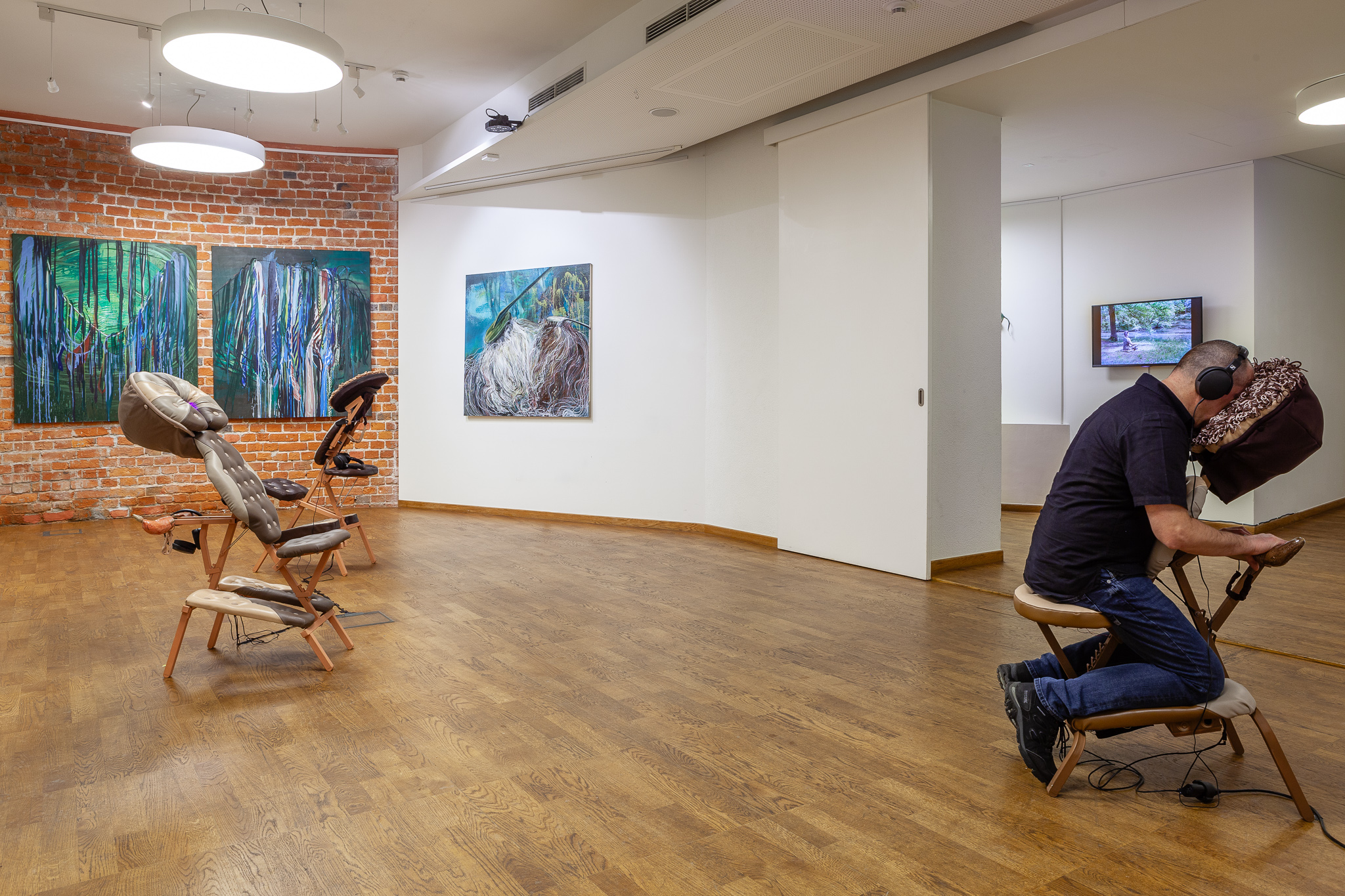
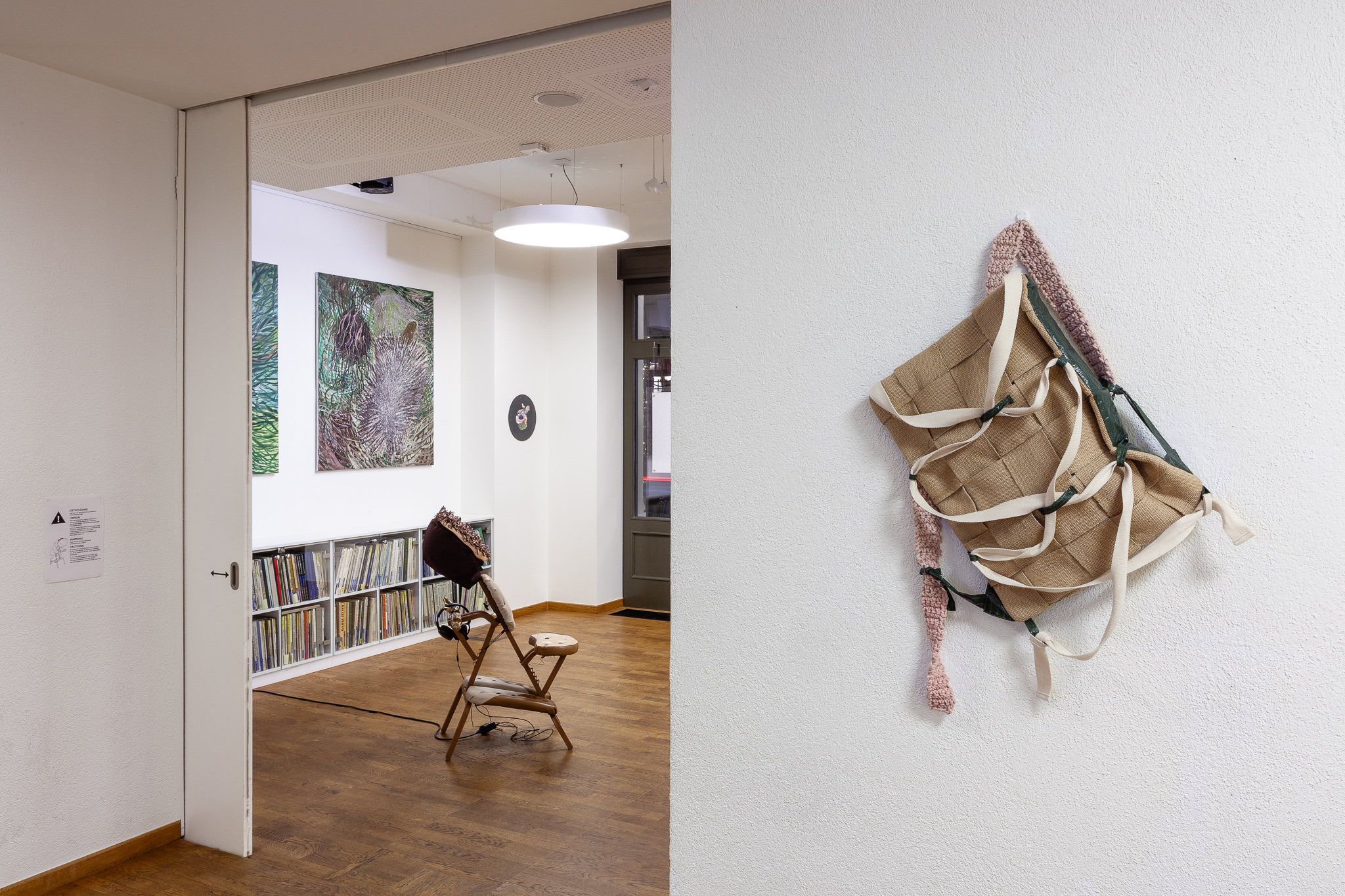
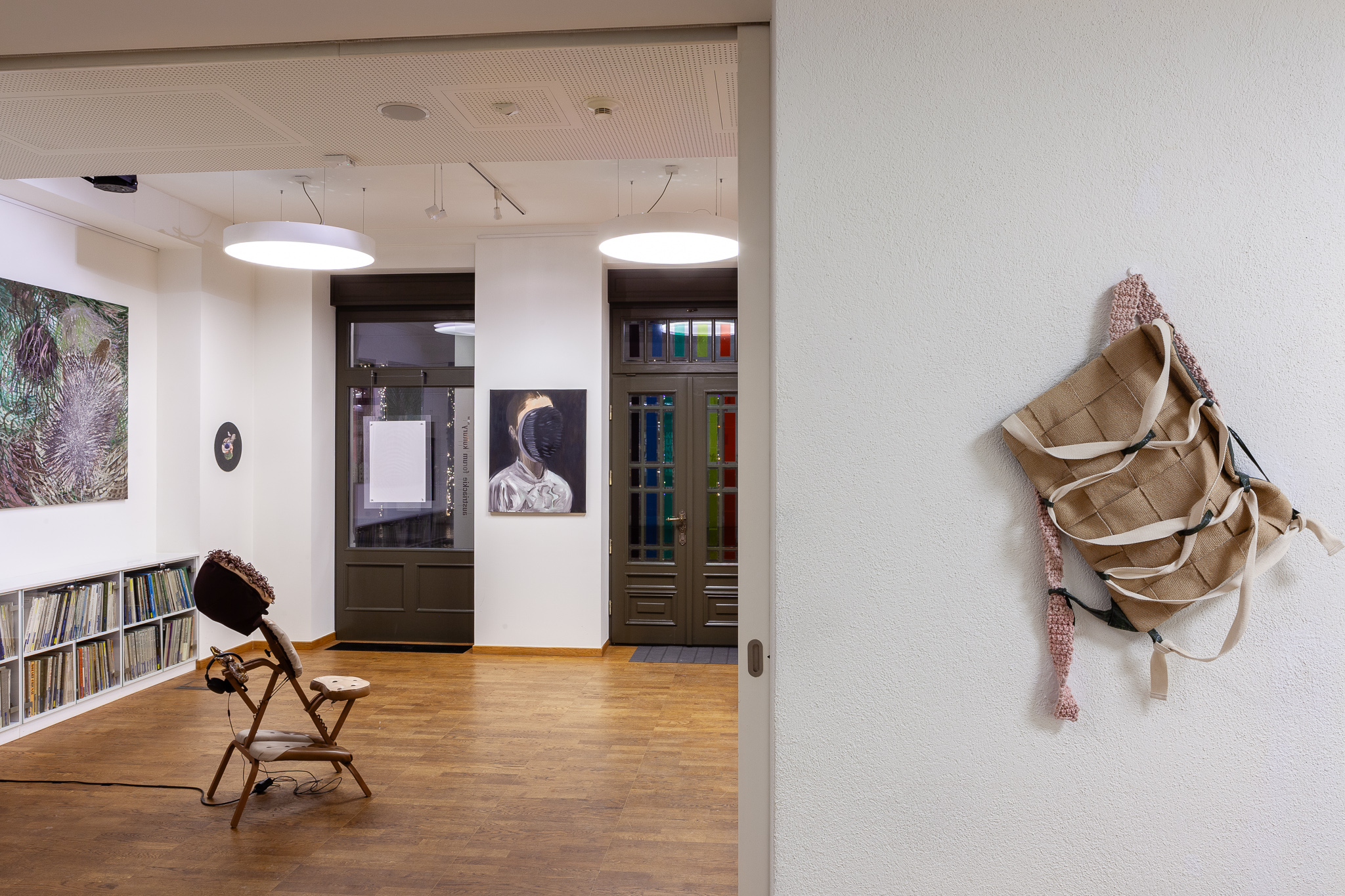
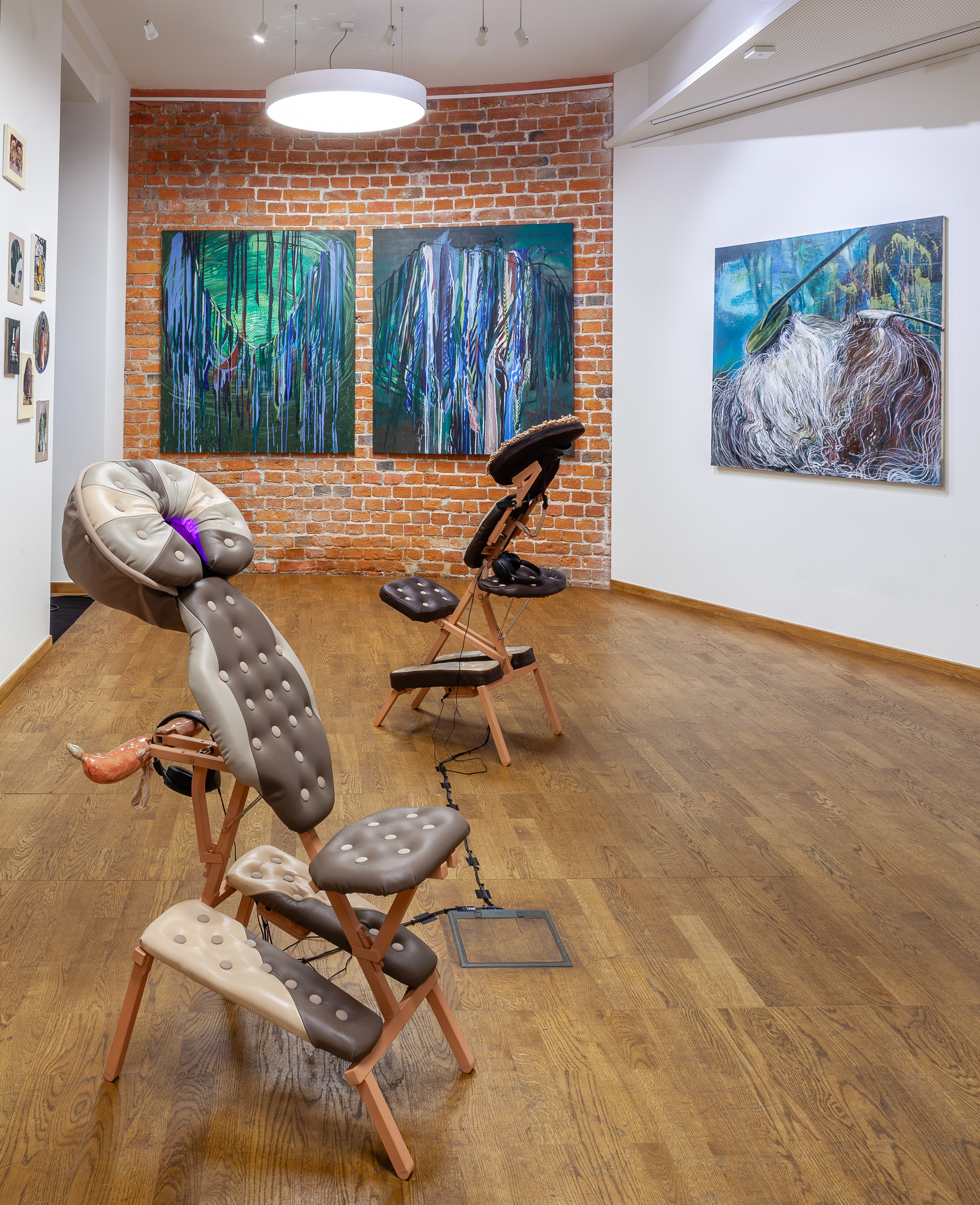
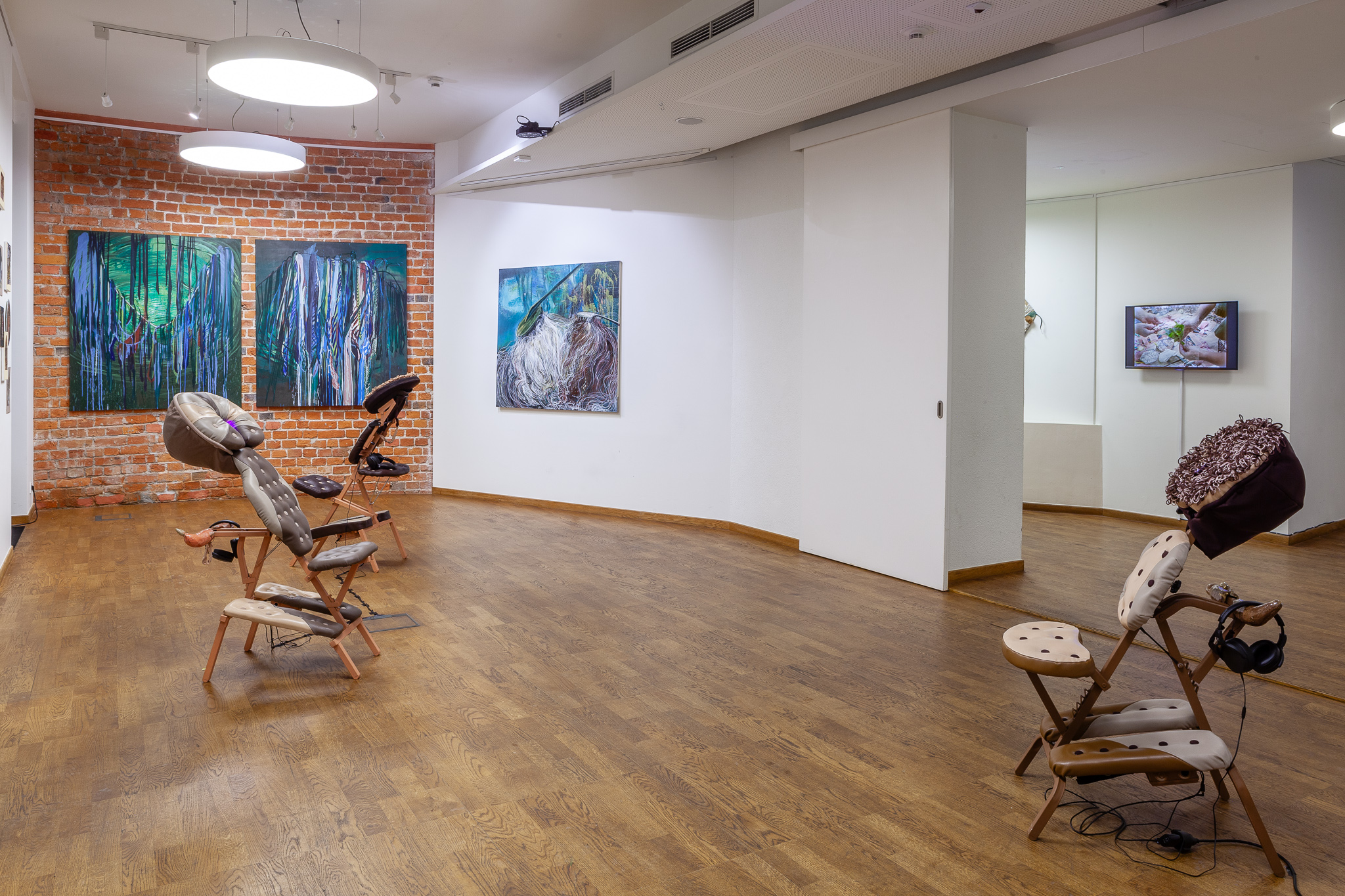
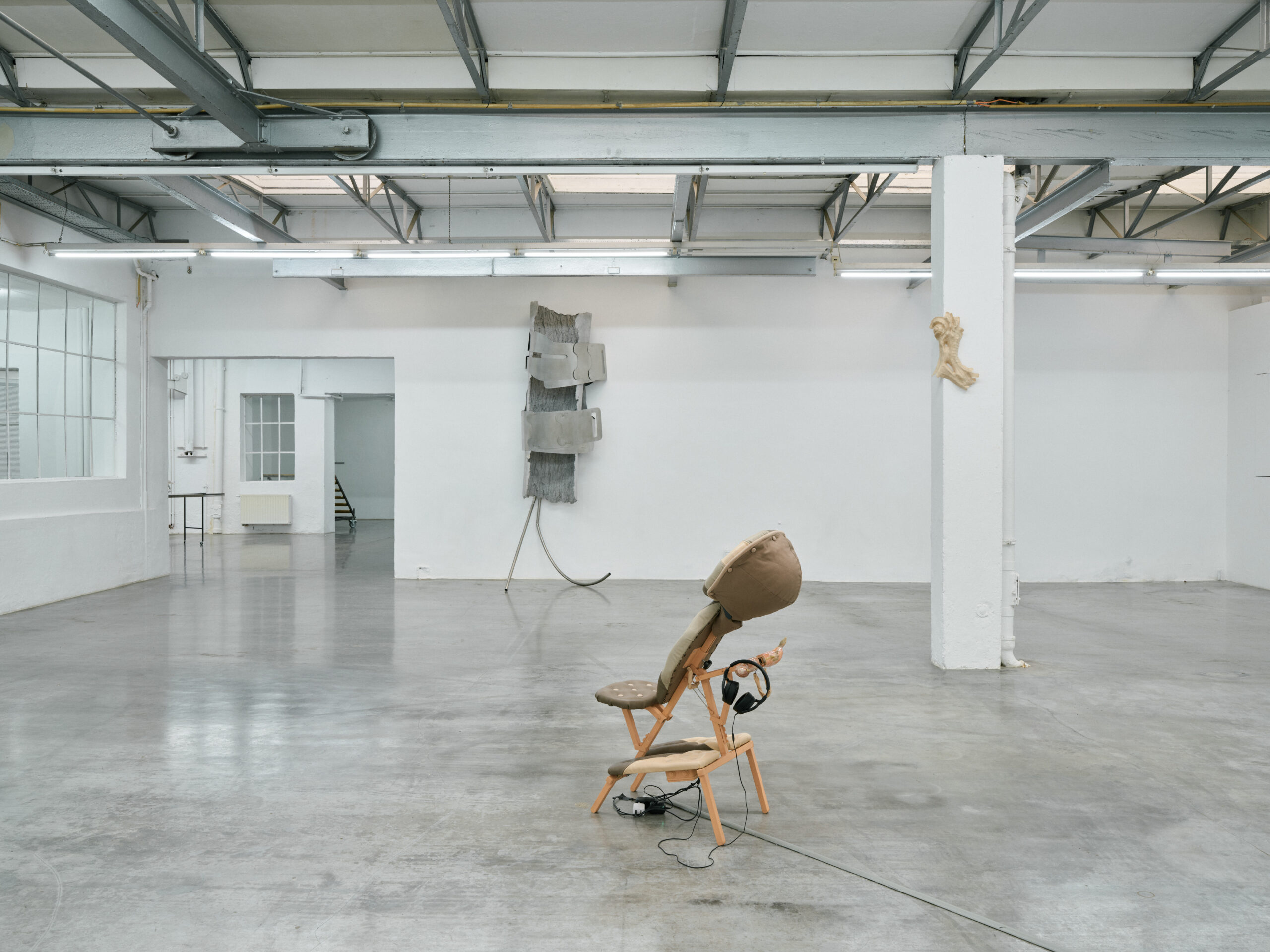
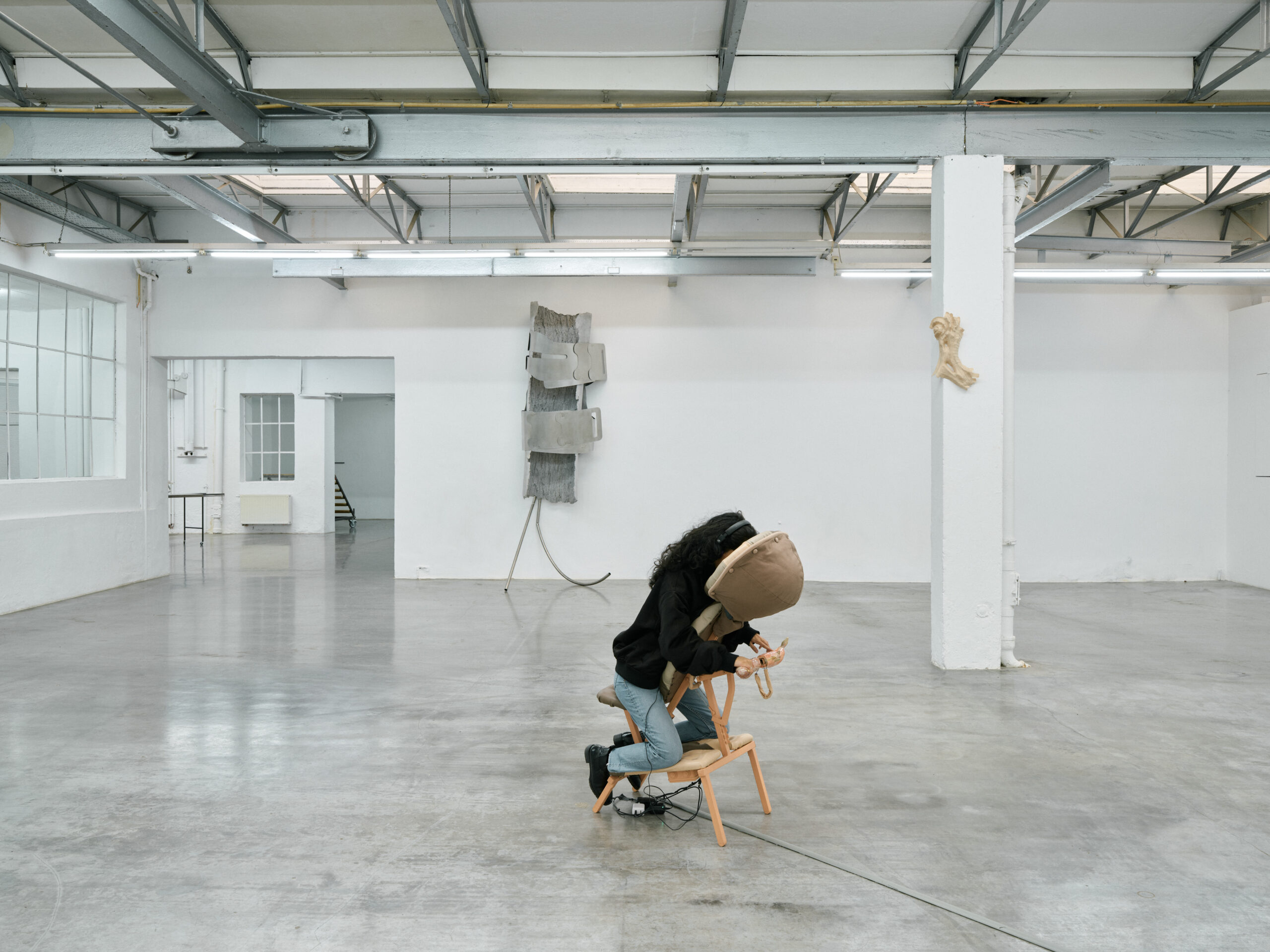
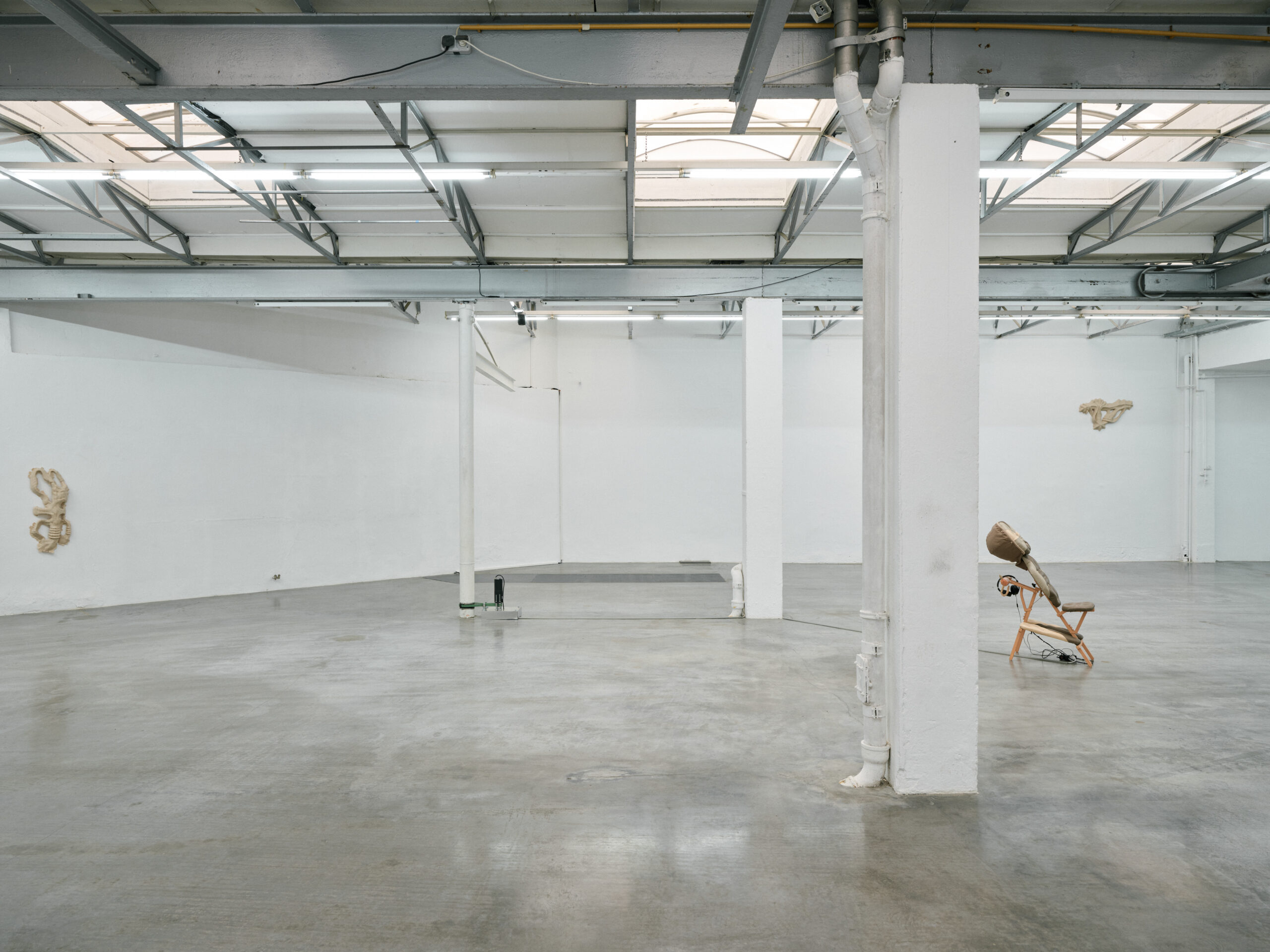
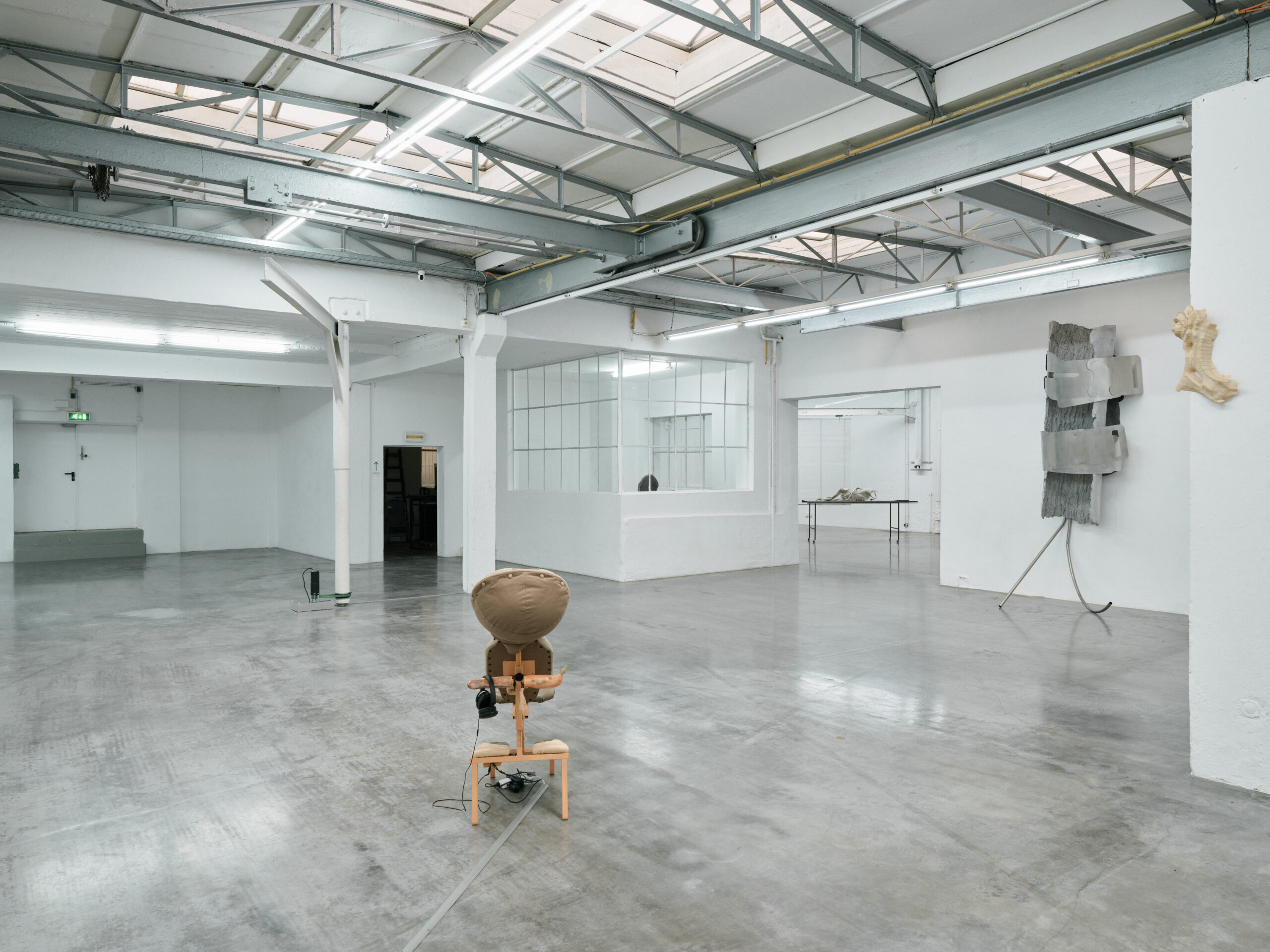
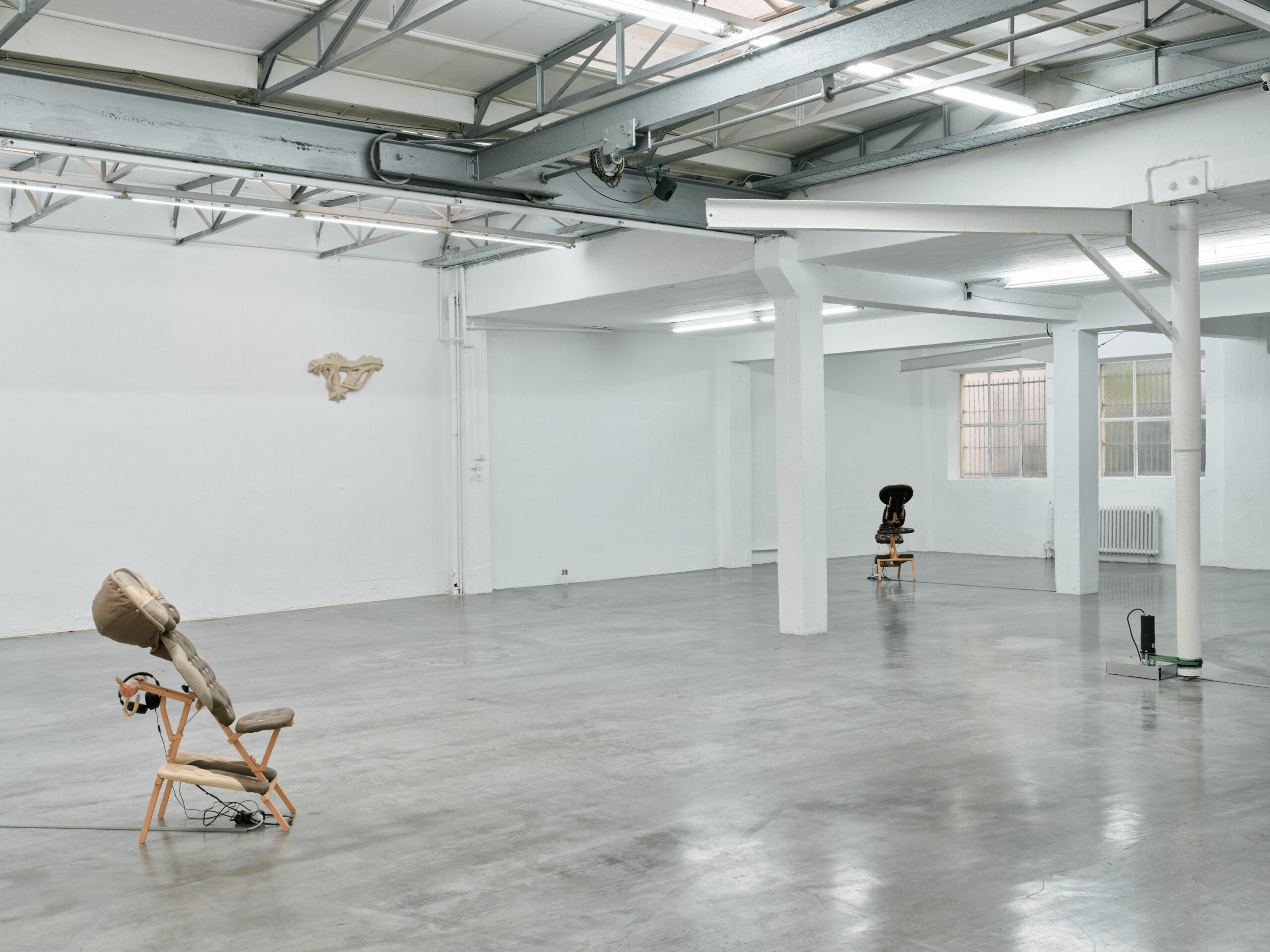
Audiovisual tactile installation, 60 x 100 x 120 cm. Leather, textile, foam, metal, ceramics, electronics, microcontroller, leds, vibration motor headphones, Sound (Stereo). Credits: Programming and PCB Design: Daniel Schatzmayr Textile Design: Erika Farina
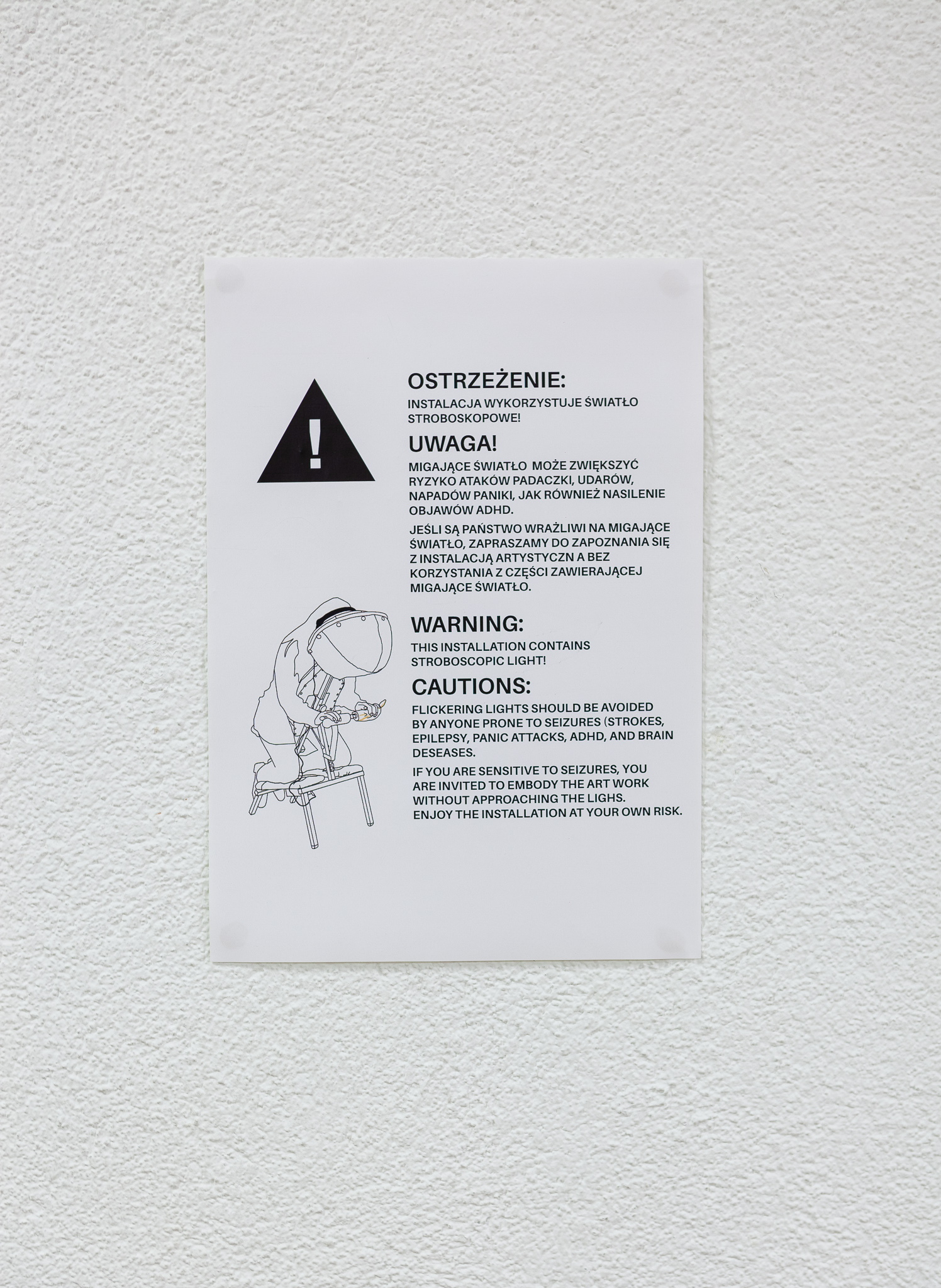
The work Massage Chair series offers a tangible encounter between automation and perception, where the machine and the body share a material space, engage in a metaphoric dialogue of touch, each responding to the other’s inputs. Participants are invited to embody, relax, and sit comfortably in the specially adjustable chairs — upcycled massage chairs modified by the artist, to which she added comfortable upholstered details and a technical audiovisual–tactile interface. By interacting with the interface, participants are enveloped in an immersive audiovisual tactile environment. The visual interface emanates flickering light pulses, while the audio interface plays a re-mix of pop songs that refer to Love as a commodity, infused with subtle binaural beats in the background. The tracks remixes are subtle, devoid of lyrics, and only the most observant can discern their origin. Embedded within the chair's upholstery, a motor emit gentle vibrations, emphasising the tactile dimension of the experience. While embodying the object, the participants are invited to use the headphones and to approach the source of light with their eyes shut. The synchronization of the stimuli triggers the perception of motion images. Although the output is always different for each interactor, one could characterize it as a kind of kaleidoscopic animation—patterns of geometric shapes in motion and colour. The visual illusion is a direct consequence of the brain’s attempt to give meaning to a certain "distorted" stimulus: because the eyes are shut, signals such as depth and colour, are corrupt and therefore misleading. This is only possible due to the capacity of neuroplasticity — the ability of the brain to adapt to different phenomena, even if never experienced before. The artist calls it a glitch of the brain, like an error, a disruption that results from a non-normative way of seeing. The output — the audiovisual–tactile bodily affections — is enriched by the interactive potential of the experience. Through manipulation of the interactive sensor (embed in a ceramic handle), participants can alter the rhythm of the flickering lights, binaural sounds, and vibrations, and in doing so, “visualise” different “mental” images while also experiencing distinct bodily sensations. The experience shifts perception inward, activating altered states of attention and bodily awareness. Rather than simulating intimacy, the work stages an encounter between human and machine that foregrounds sensation, agency, and the body’s automatic yet affective responsiveness. Although the interaction shifts to an internal level, this does not mean that the machine or the interface loses its important role in the interactive experience. The machine remains present and fundamental to the process — because flickering light and binaural sound (the stimuli that trigger the experience) do not exist in nature; they emerged through technology, phenomena that became perceptible only after electricity entered the realm of human experience. This interactive experience would not be possible without the tangible encounter in which the body and the machine share the electronic material space of the artwork — a space understood here as a paradigm through which to reframe Love within human–machine relationships. The human act of perception, as an apparatus that envelops the artwork, involves a willingness to surrender physically and perceptually to the experience — to connect with the work of the machine and to lose oneself within its interactive programme. This, in itself, is a work of Love: not one that literally reproduces existing human practices of loving, but one that seeks to disrupt and unfold them into new possibilities — possibilities that ontologically include the machine and what its specific mode of being might offer within the shared limitations of humans and machines. Perhaps the kind of instant love we yearn for can, in some way, be gratified through interaction with machines. Not because machines reproduce human love, but because they may open the possibility for new forms of relationality and care.
- Categories:
- Share Project :